
background participants

Participant 233


On this page, you will find information about a UDN participant.

Sharing information on this website is not a requirement of UDN participation. Only descriptions about participants who give explicit consent will appear here. While these participant pages are helpful to understand our participants’ stories, they do not begin to describe their diagnostic odysseys. A special thank you goes out to our participants and their families for sharing their experiences.


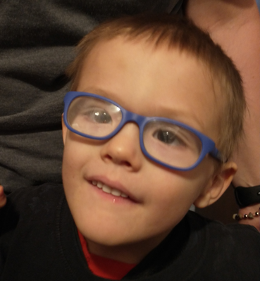
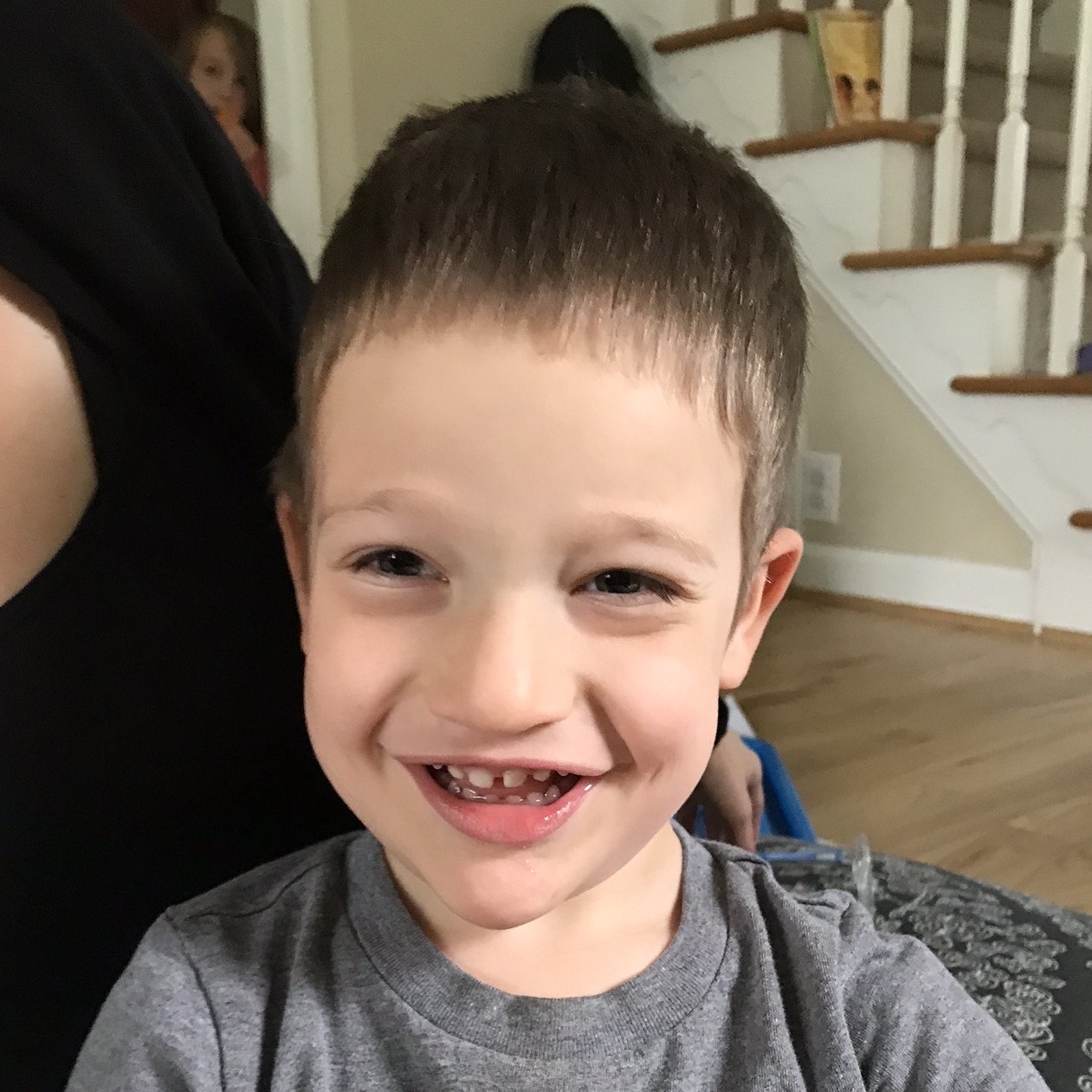
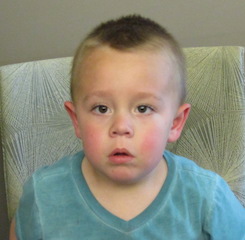
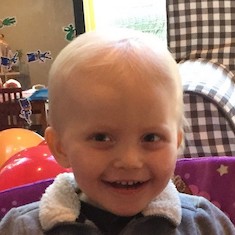
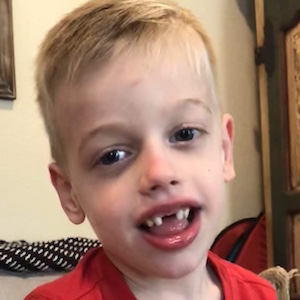
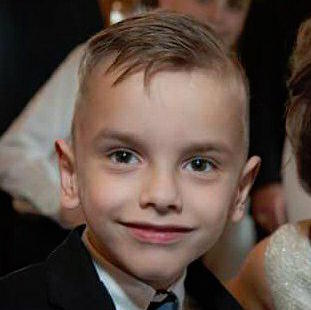
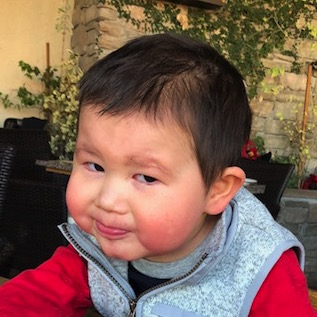
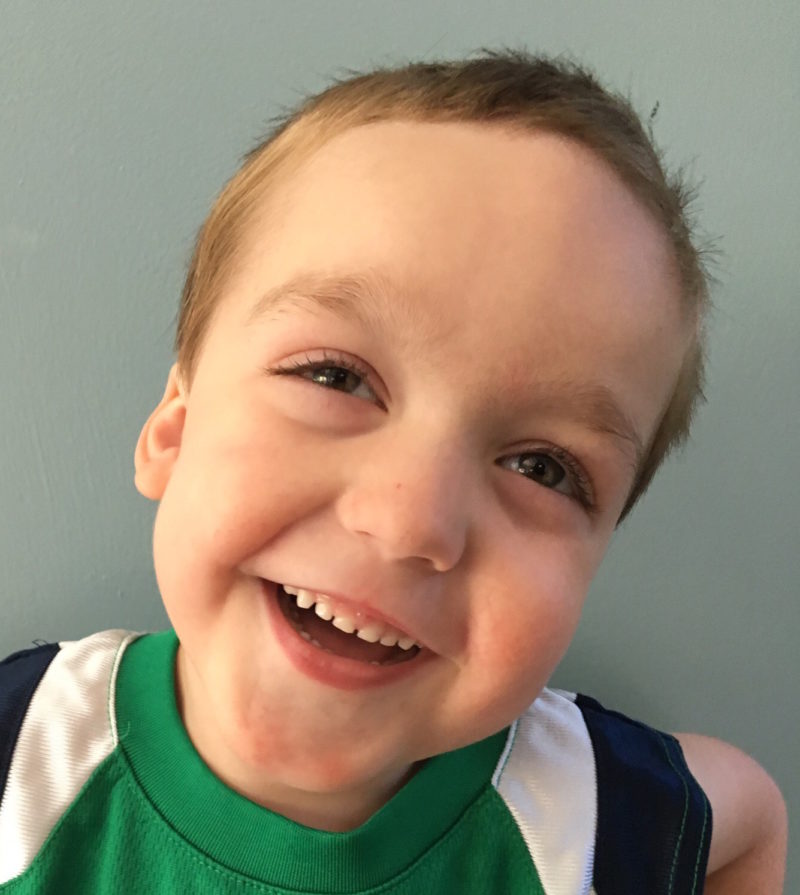
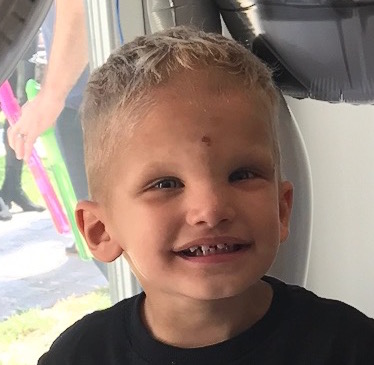
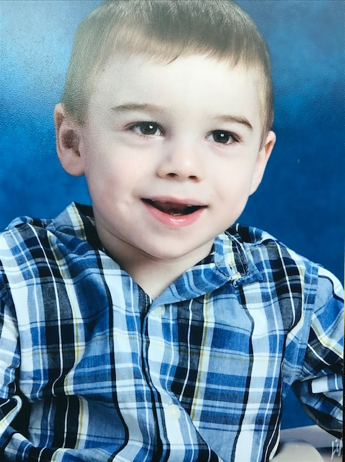
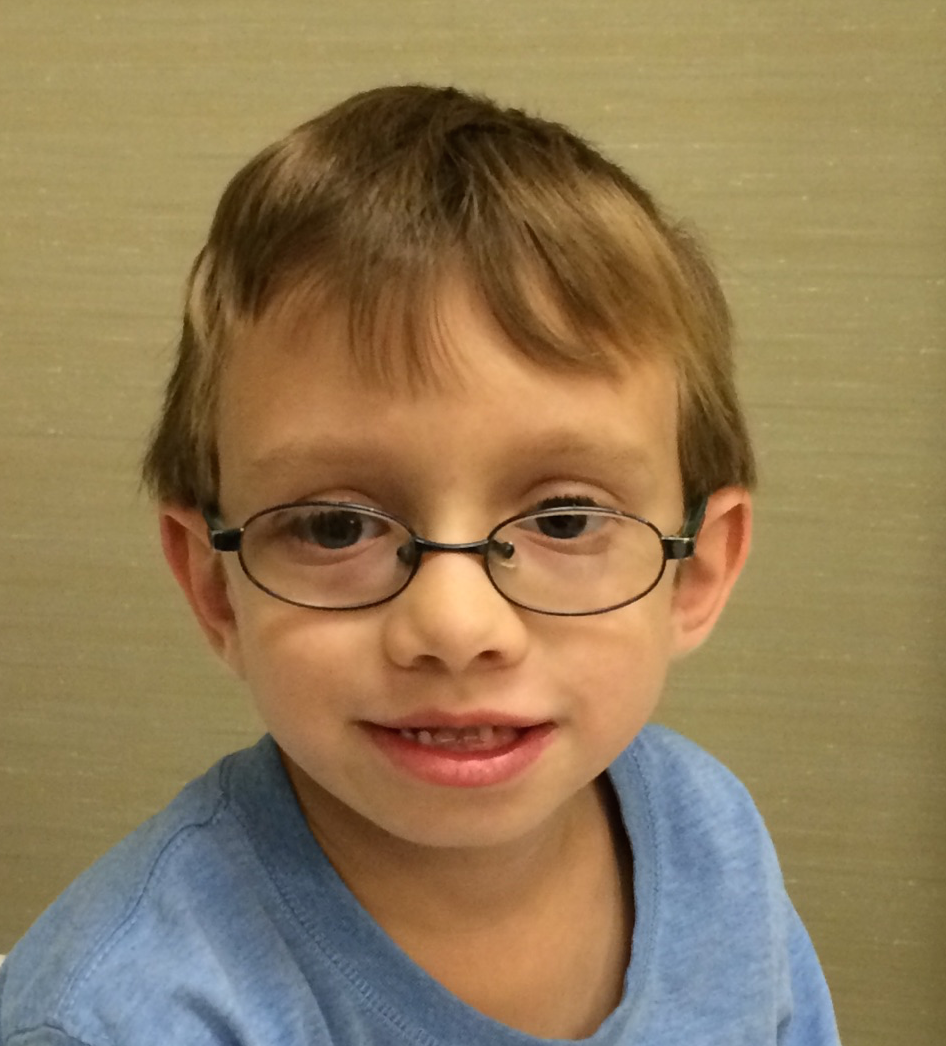
Male, age 4 with heart defects and a history of failure to thrive thought to be caused by a change in the PRDM16 gene

Date of Report

Oct 10, 2025

Description

The participant was born at 39 weeks following a pregnancy complicated by severe nausea and vomiting (hyperemesis gravidarum). At birth, he made different breathing sounds, and his feet were flexed upwards, but no significant complications occurred while he was at the hospital.

Once he came home, he had feeding issues and was slow to gain weight. Just before he was 3 months old, he started refusing feedings and saw a GI doctor. Following this appointment, he was admitted to the hospital for failure to thrive. During this hospital stay, a swallow study showed silent aspiration and fluid caught in pockets of his throat. A feeding tube was placed, and an echocardiogram revealed a small heart defect (mild atrial septal defect) and enlarged aortic root (moderately dilated aortic root). Other testing (brain MRI, chromosomal microarray, bronchoscopy, laryngoscopy) was normal. The participant’s weight improved with thickened feeds.

After discharge from the hospital, a MRI revealed an abnormal curvature or winding of the major blood vessels in the participant’s neck (carotid artery tortuosity) and another echocardiogram showed an additional heart defect (bicuspid aortic valve). The participant was also diagnosed with acid reflux (gastroesophageal reflux).

When the participant was evaluated in the UDN at 22 months of age, his parents did not report any cardiac concerns. He was doing well with progression from a feeding standpoint.  His cardiovascular examination was normal.  His bicuspid aortic valve continued to function well. He had no evidence of other heart-related findings (cardiomyopathy or ventricular non-compaction) on his echocardiogram at the visit.

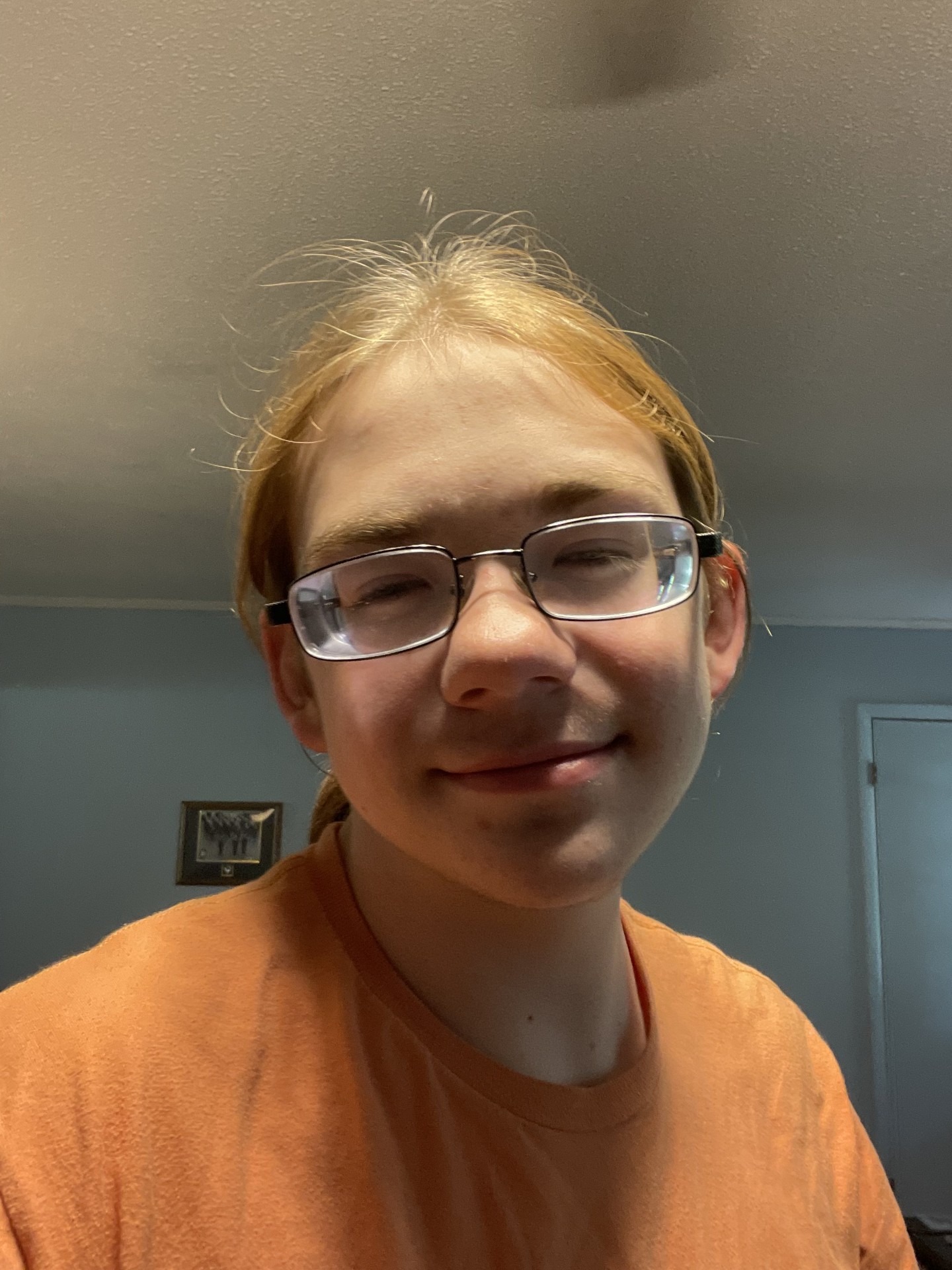
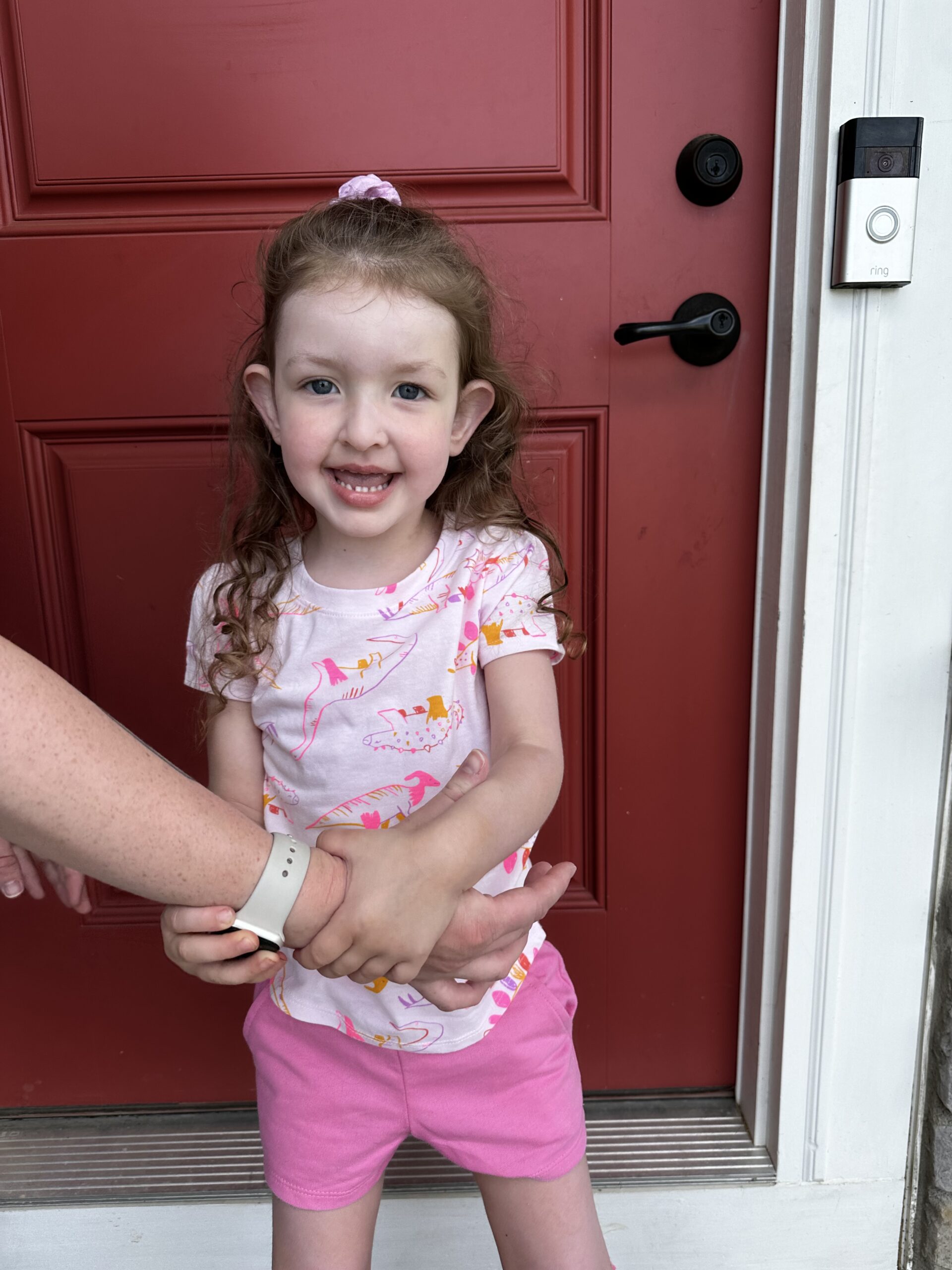
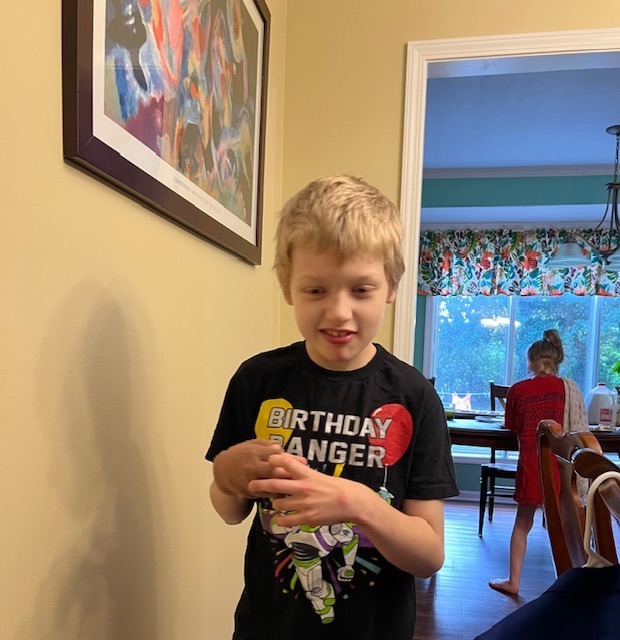
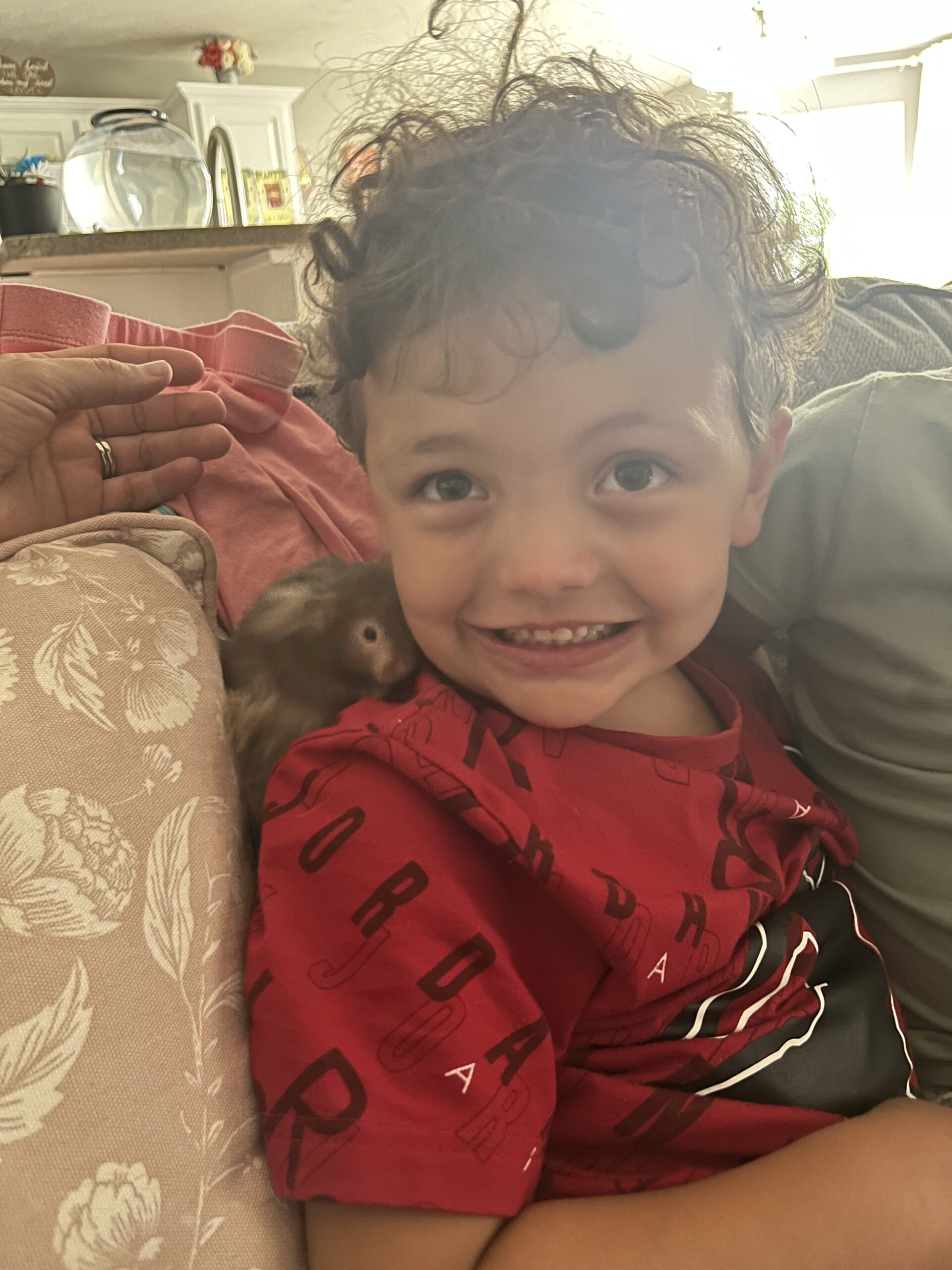
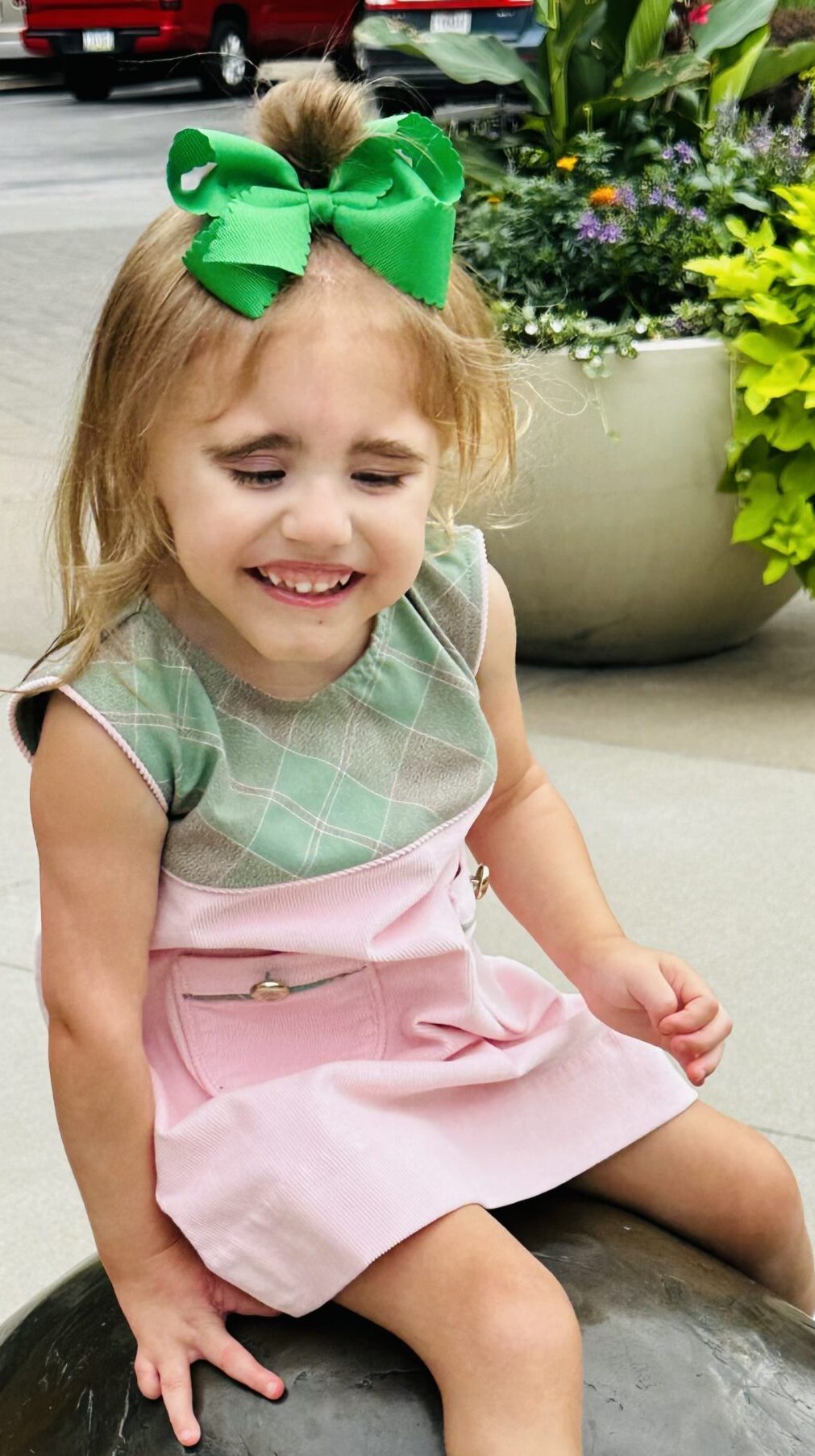
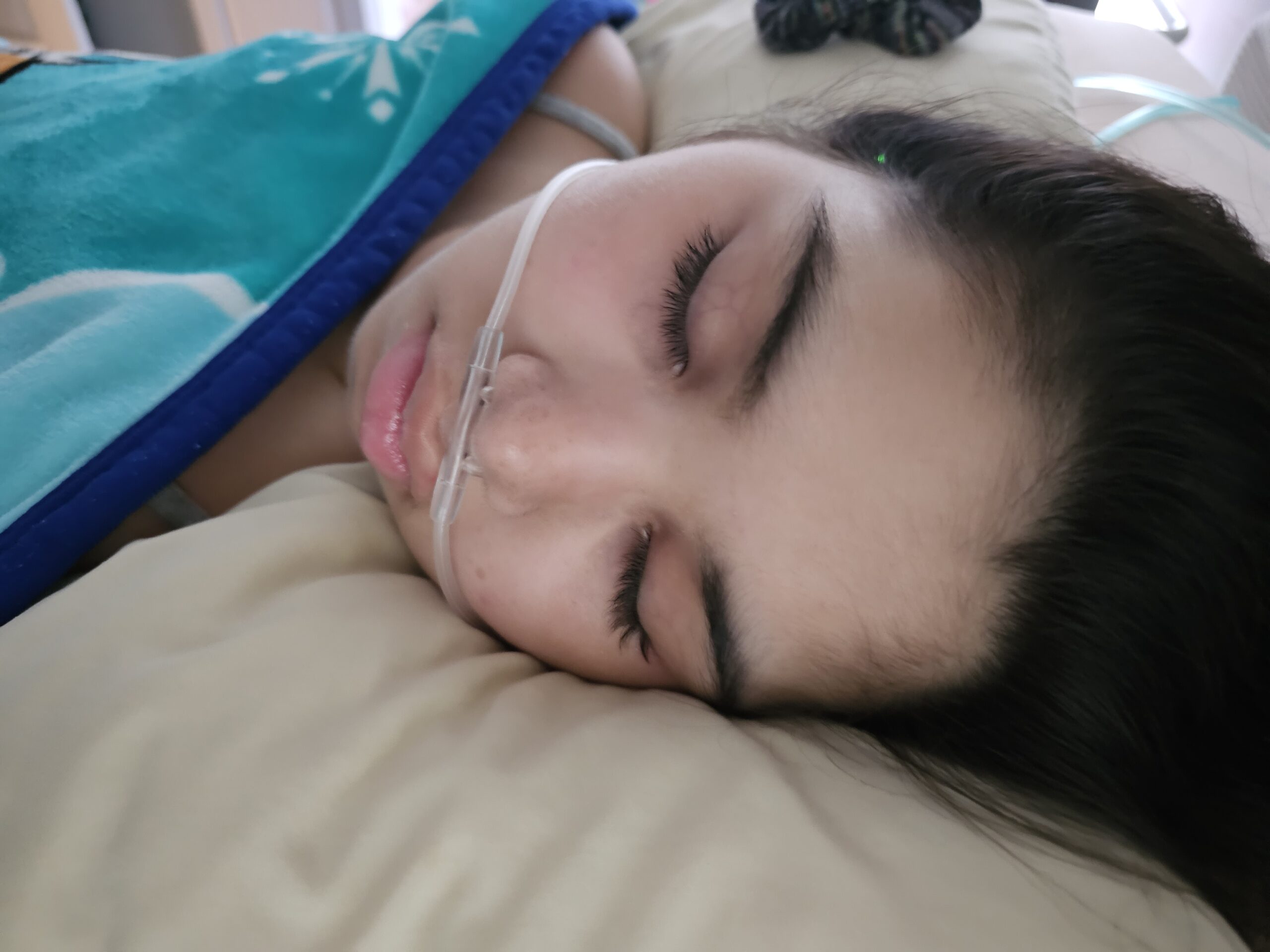
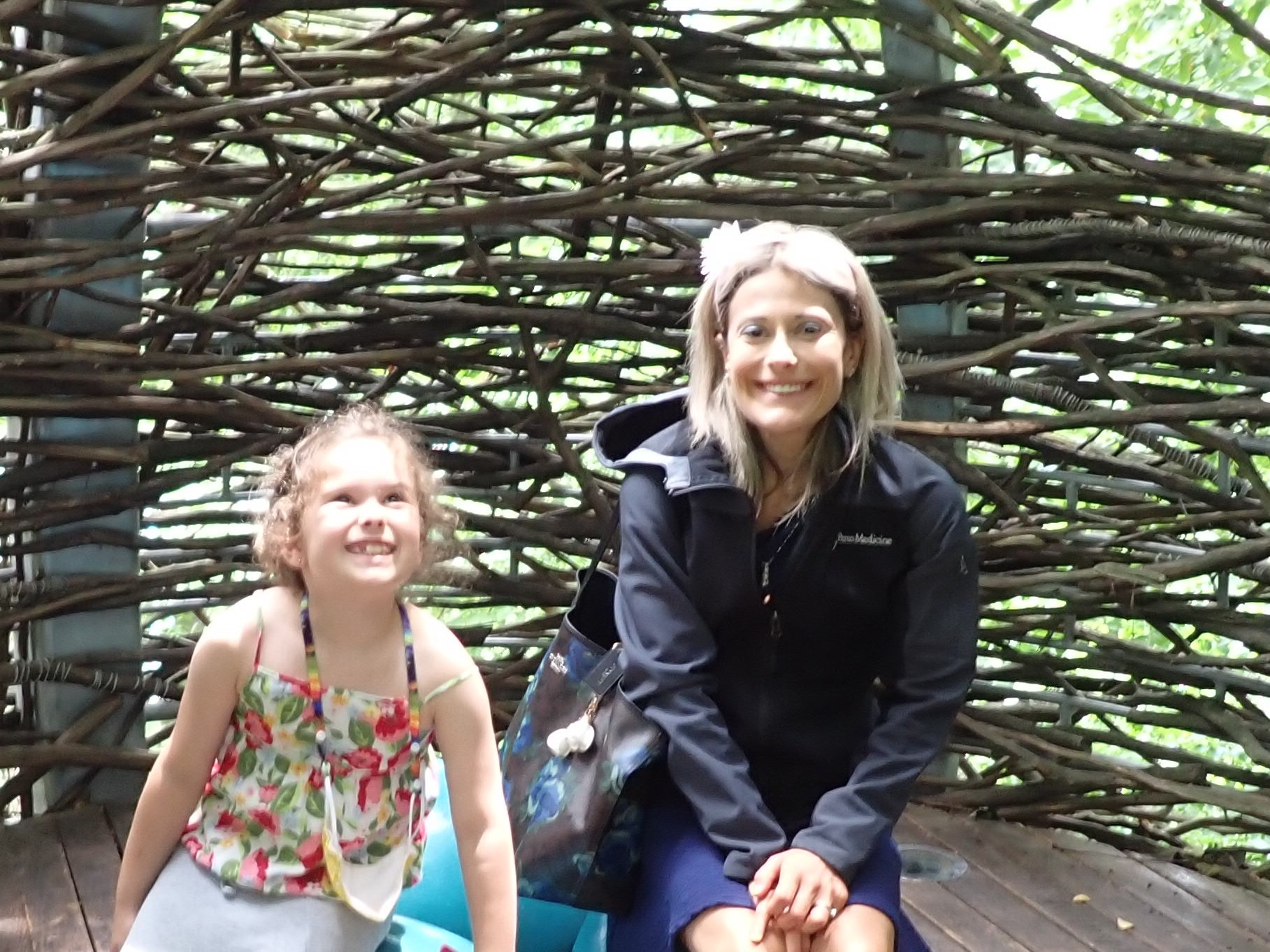
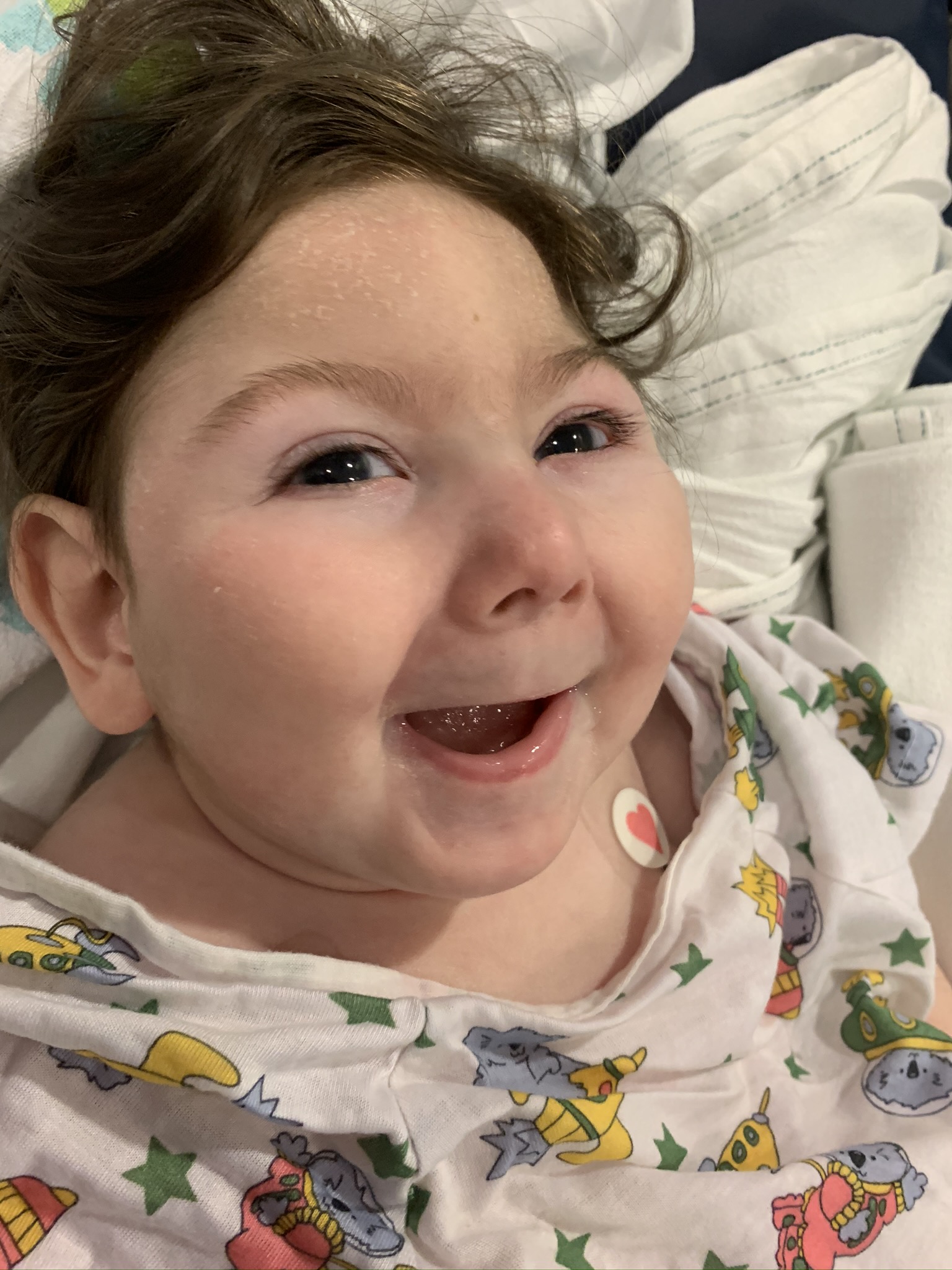
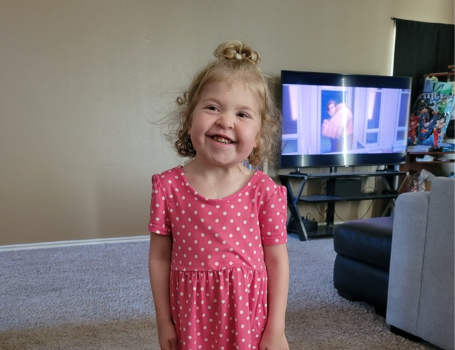
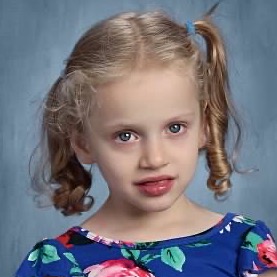
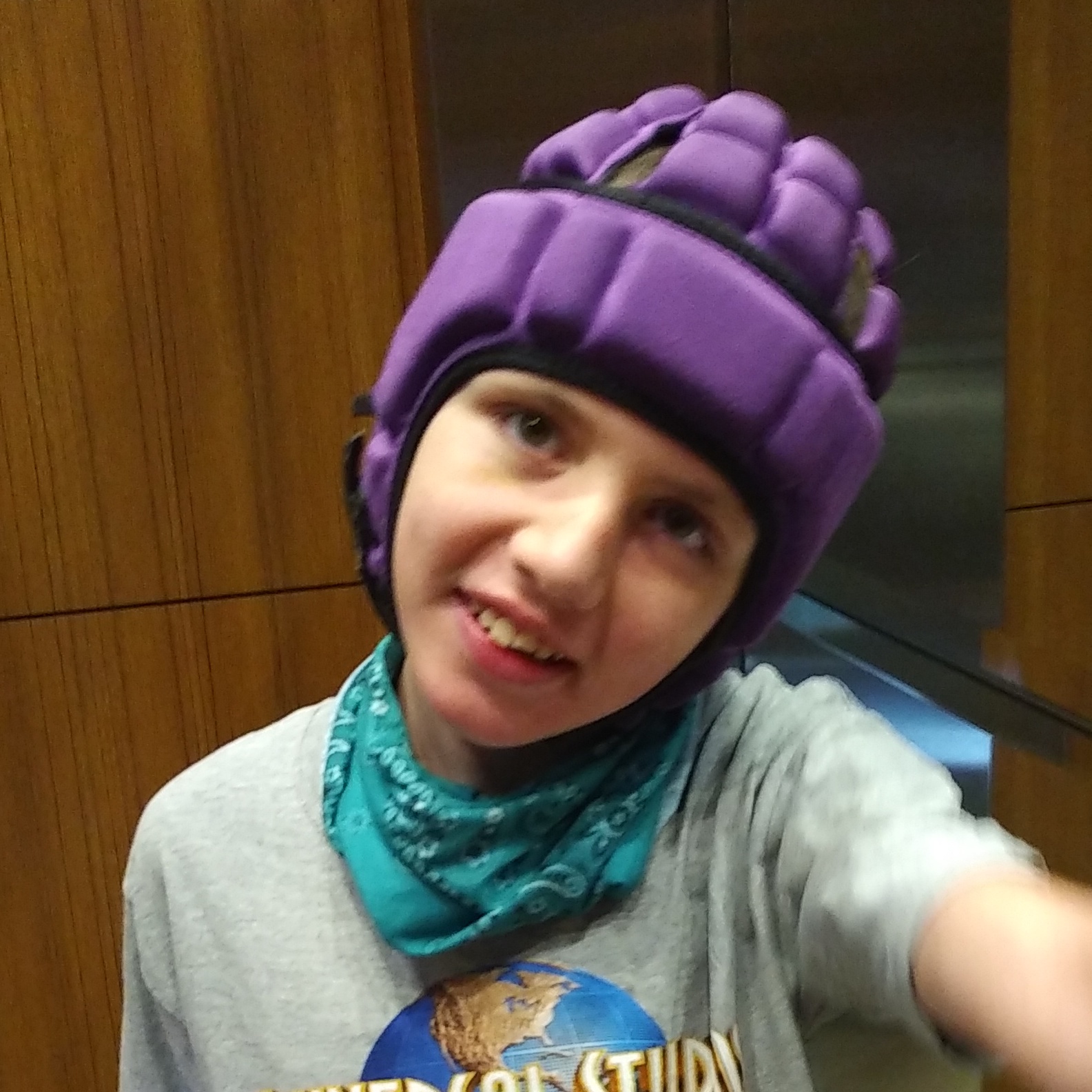
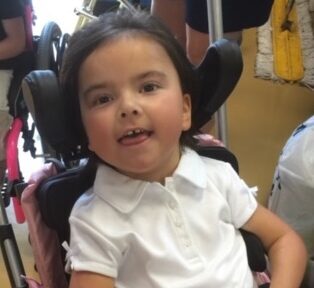
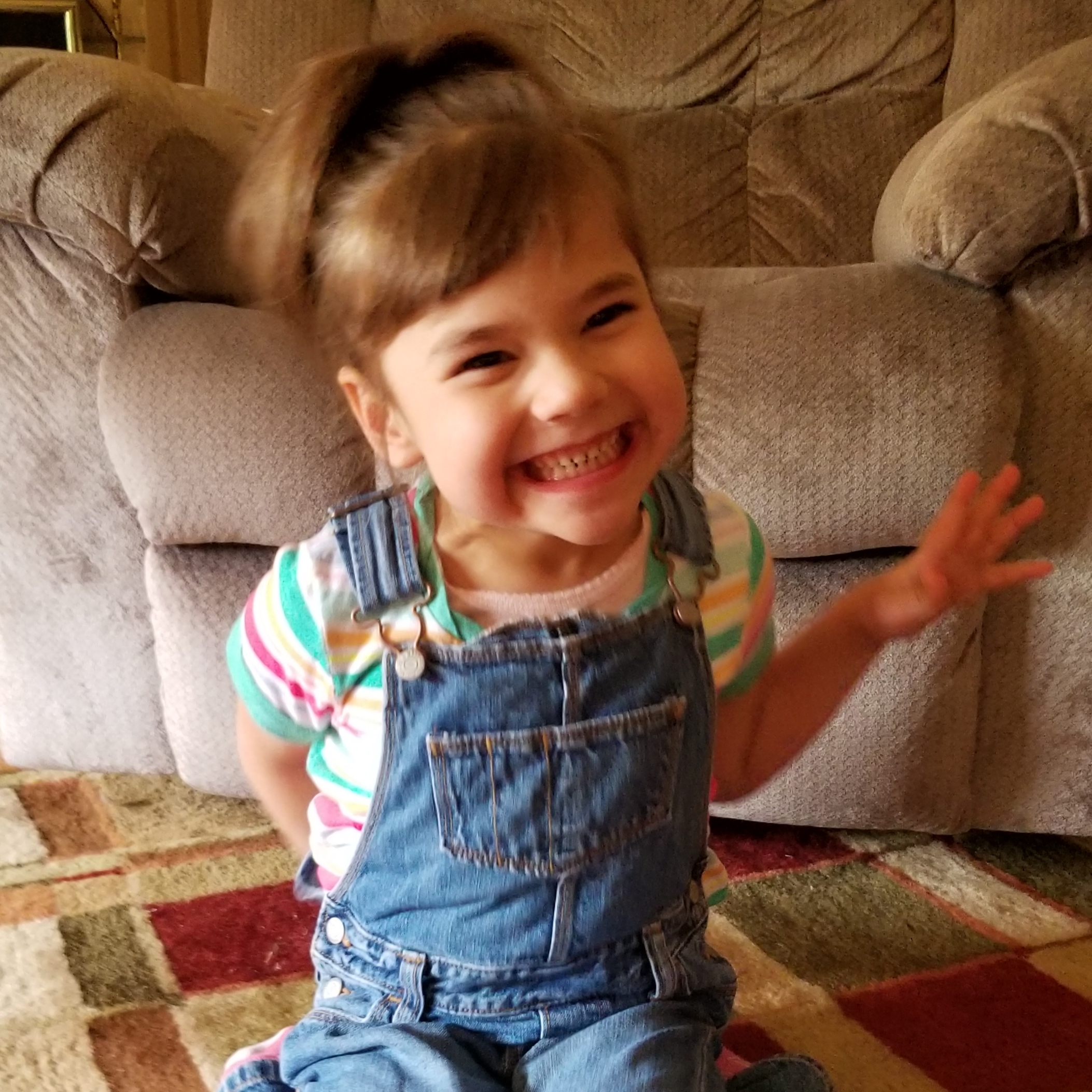
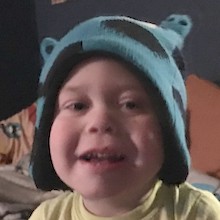
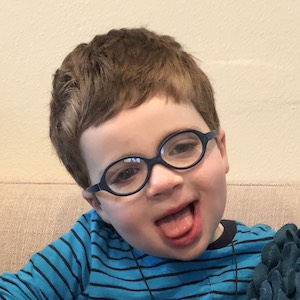
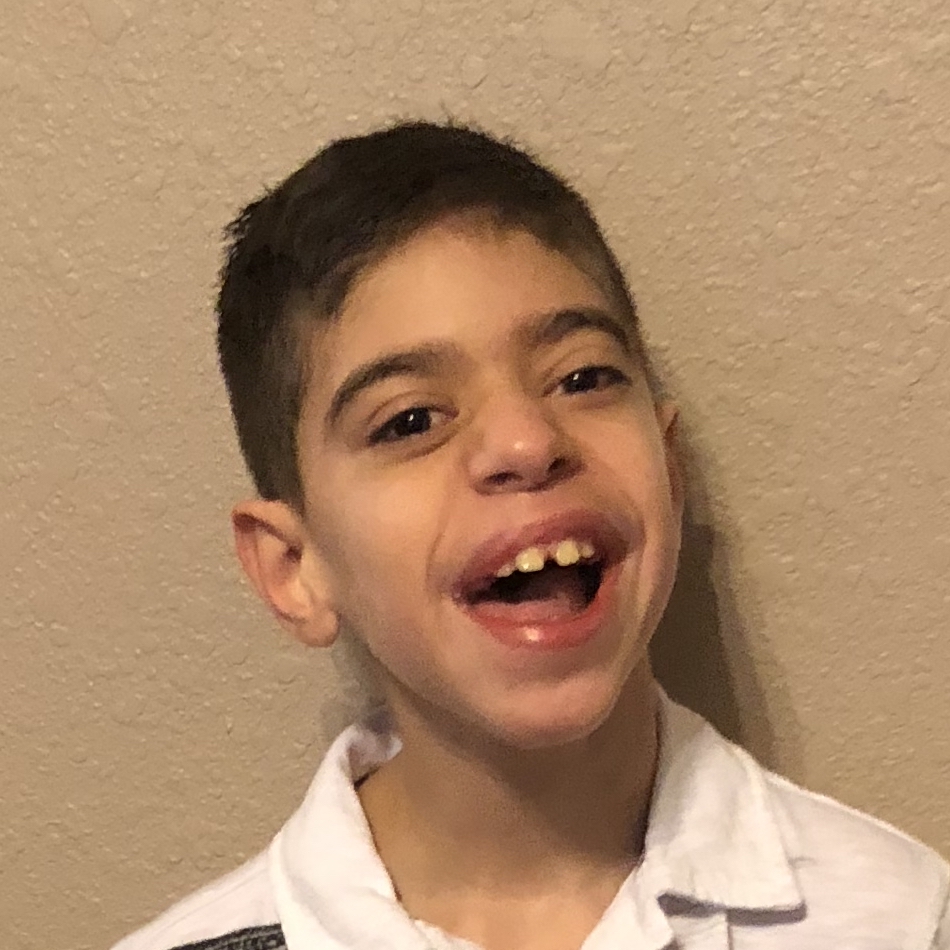
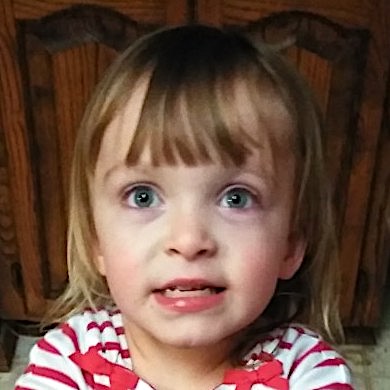
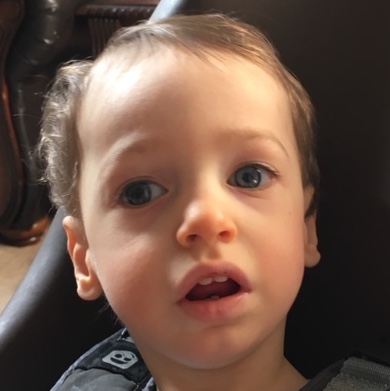
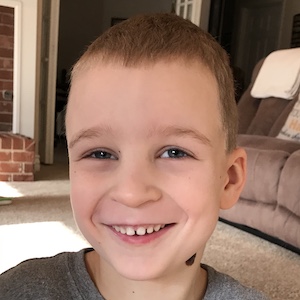
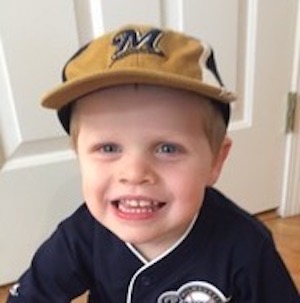
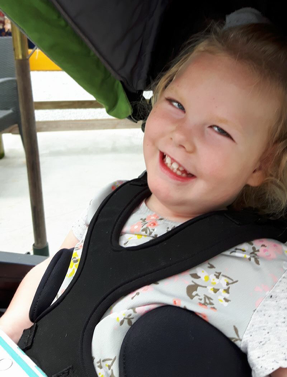
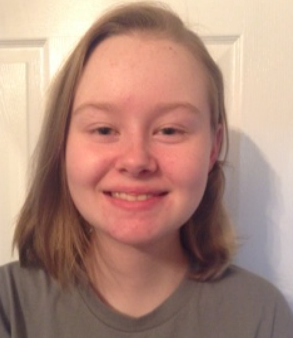
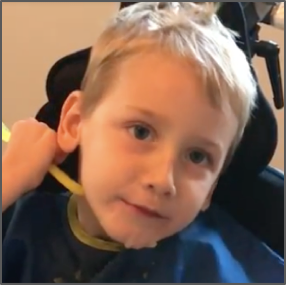
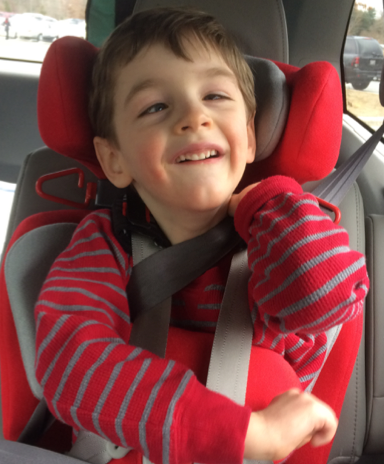
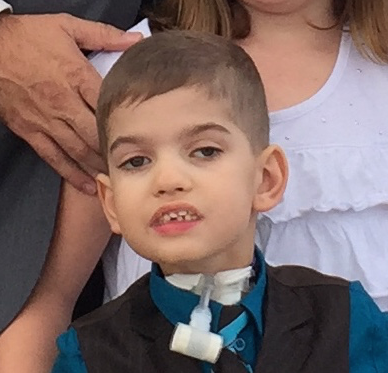
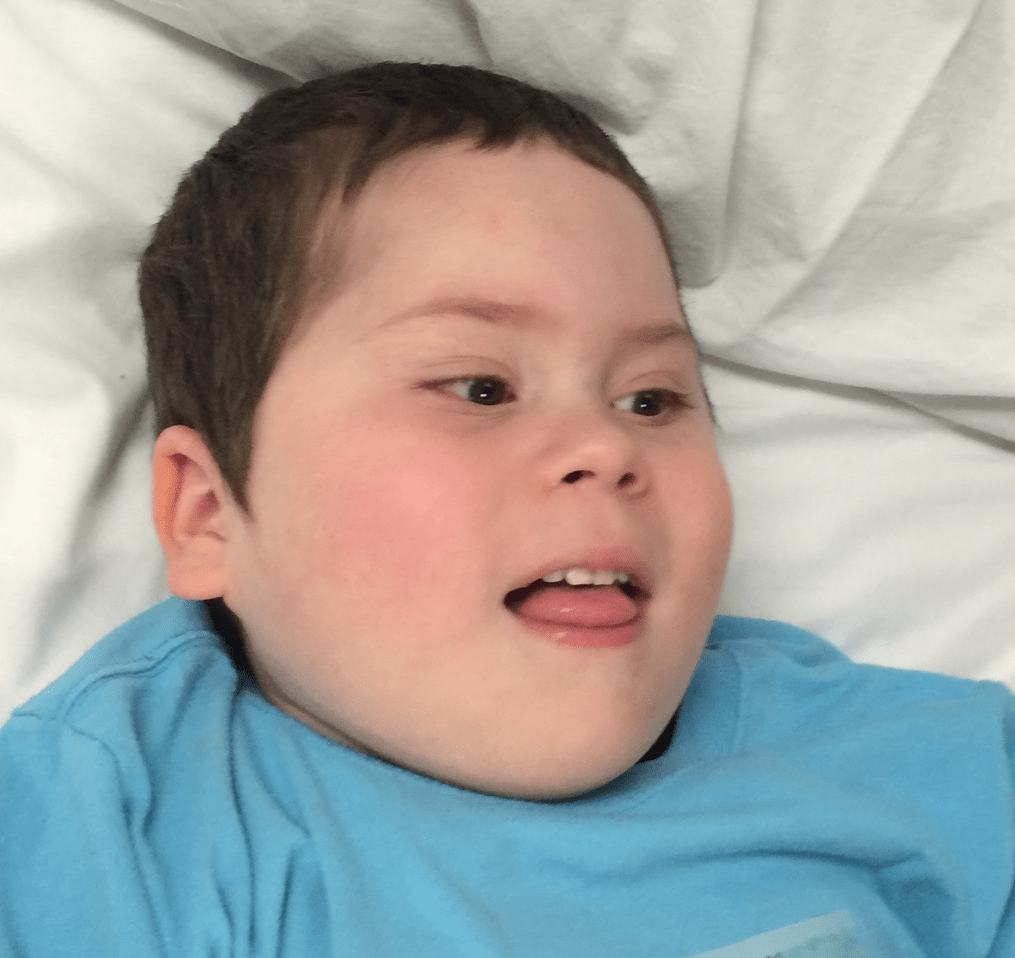
The participant is currently 4 years old and is a very lively and talkative child.

Symptoms / Signs
  • Heart defects (mild atrial septal defect now closed, bicuspid aortic valve)
  • Enlarged aortic root (moderately dilated aortic root)
  • Abnormal curvature or winding of the major blood vessels in the neck (carotid artery tortuosity)
  • Head tilted to one side (torticollis)
  • Mild flat spot on the head (mild plagiocephaly)
  • Eye fold (epicanthus)
  • Failure to thrive
  • Feeding difficulties (ARFID)
  • Low muscle tone (hypotonia)
  • Constipation
  • Acid reflux (gastroesophageal reflux)
  • Iron deficiency anemia (appears to be dietary)
Current Treatments
  • Feeding therapy
  • Physical therapy
  • Supramalleolar orthoses (SMOs)
Prior Treatments
  • Feeding tube
Considered treatments
Previously Considered Diagnoses
  • Arterial tortuosity syndrome​
  • Connective tissue disorder
  • Dominant isolated bicuspid aortic valve
  • Ehlers-Danlos syndrome​
  • Loeys-Dietz syndrome​
  • Marfan syndrome
  • Microdeletion/duplication syndrome
  • VISS syndrome
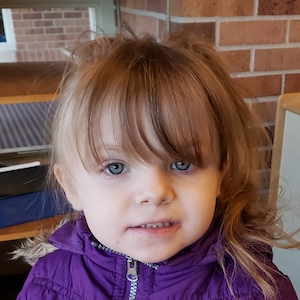
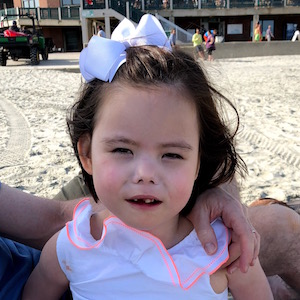
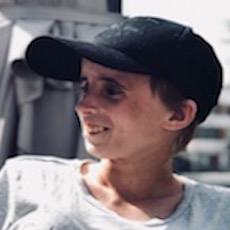
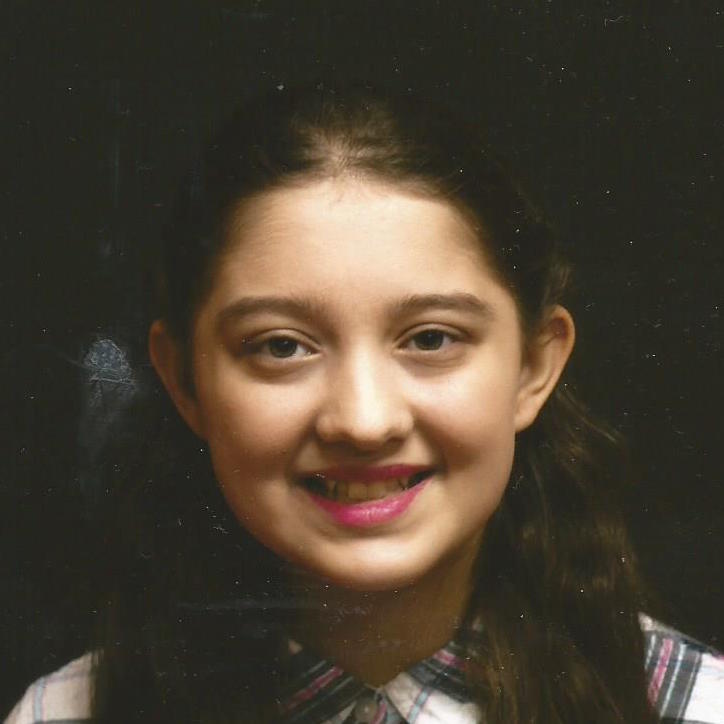
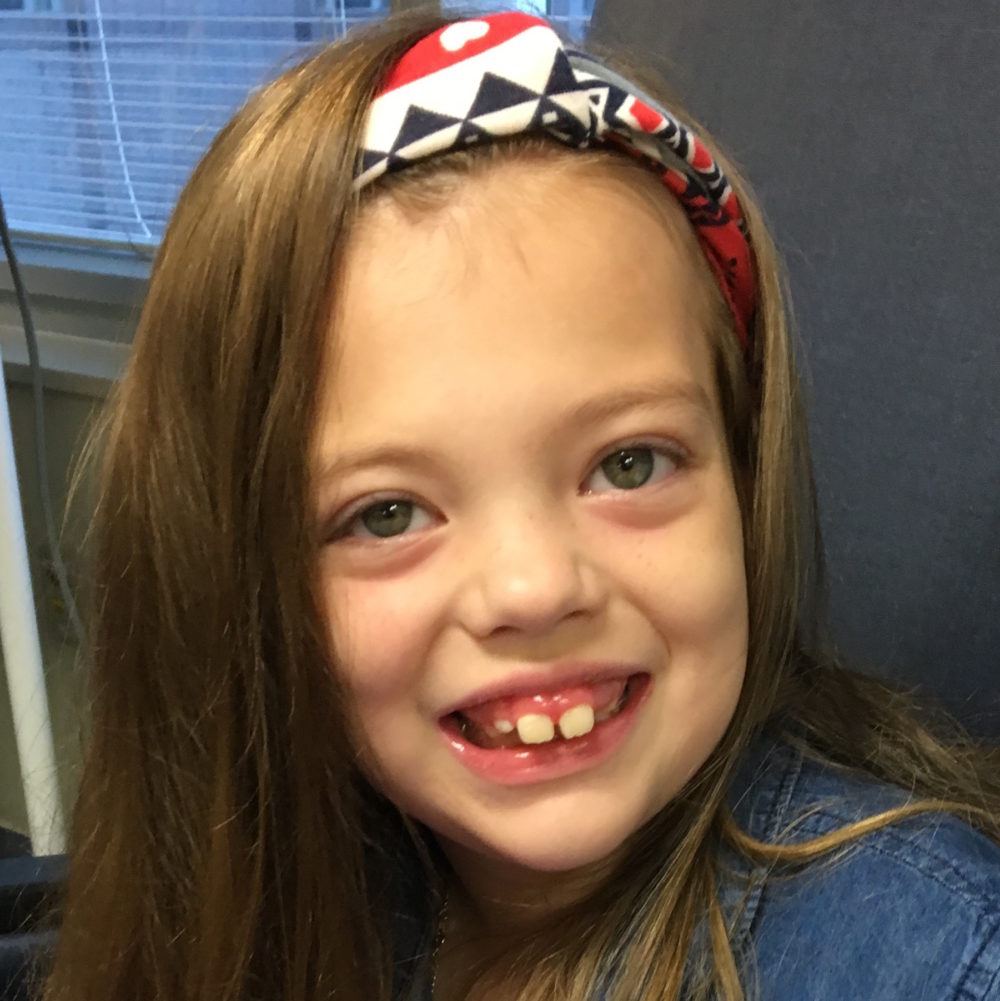
Other Photographs
Genetic Variants of Interest

Clinicians and researchers have identified the following de novo genetic change believed to be causing the participant’s symptoms.

Gene
Inheritance Pattern
Position (hg19)
Transcript
DNA Change
Protein Change
Autosomal dominant
chr1:g.3342645:AC>A
NM_022114.4
c.3142del
p.L1048Wfs*18
Contact

If this participant sounds like you or someone you know, please contact us!

Disclaimer

The information provided here is based on individual patient experiences. This information is not meant to substitute for advice of a qualified health care provider. Please do not use this information to diagnose or develop a treatment plan for a health problem or disease without consulting a qualified health care provider.

Any mention of products or services is not meant as a recommendation of the products or services. Please discuss any options with a qualified health care provider.

Developments in medical research may impact the information that appears here. No assurance can be given that the information in this site will include the most recent findings or developments.

The use of any information provided on this site is solely at your own risk.

Top