

background participants

Participant 120

UDN Participant 120

On this page, you will find information about a UDN participant. Sharing information on this website is not a requirement of UDN participation. Only descriptions about participants who give explicit consent will appear here.


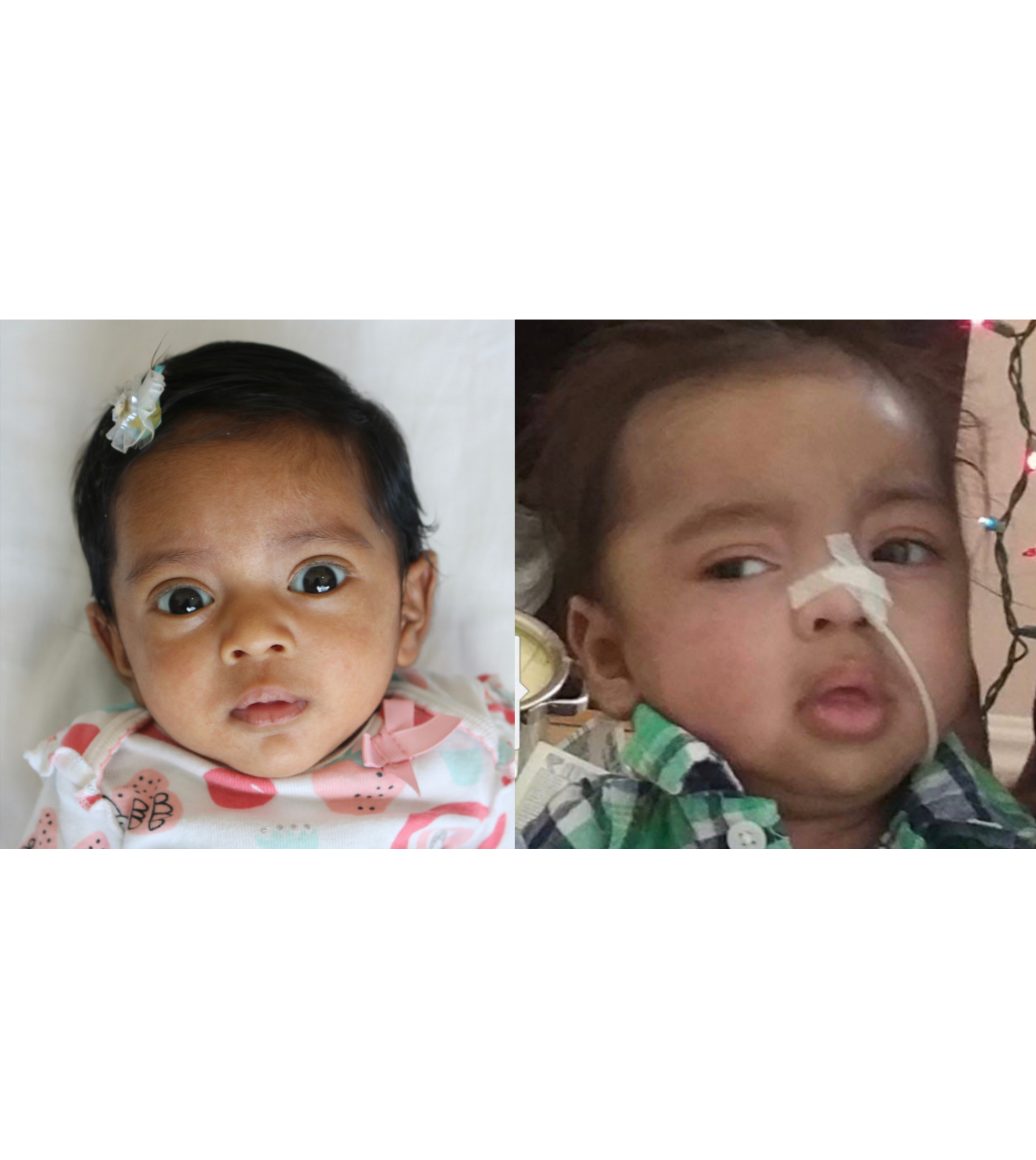
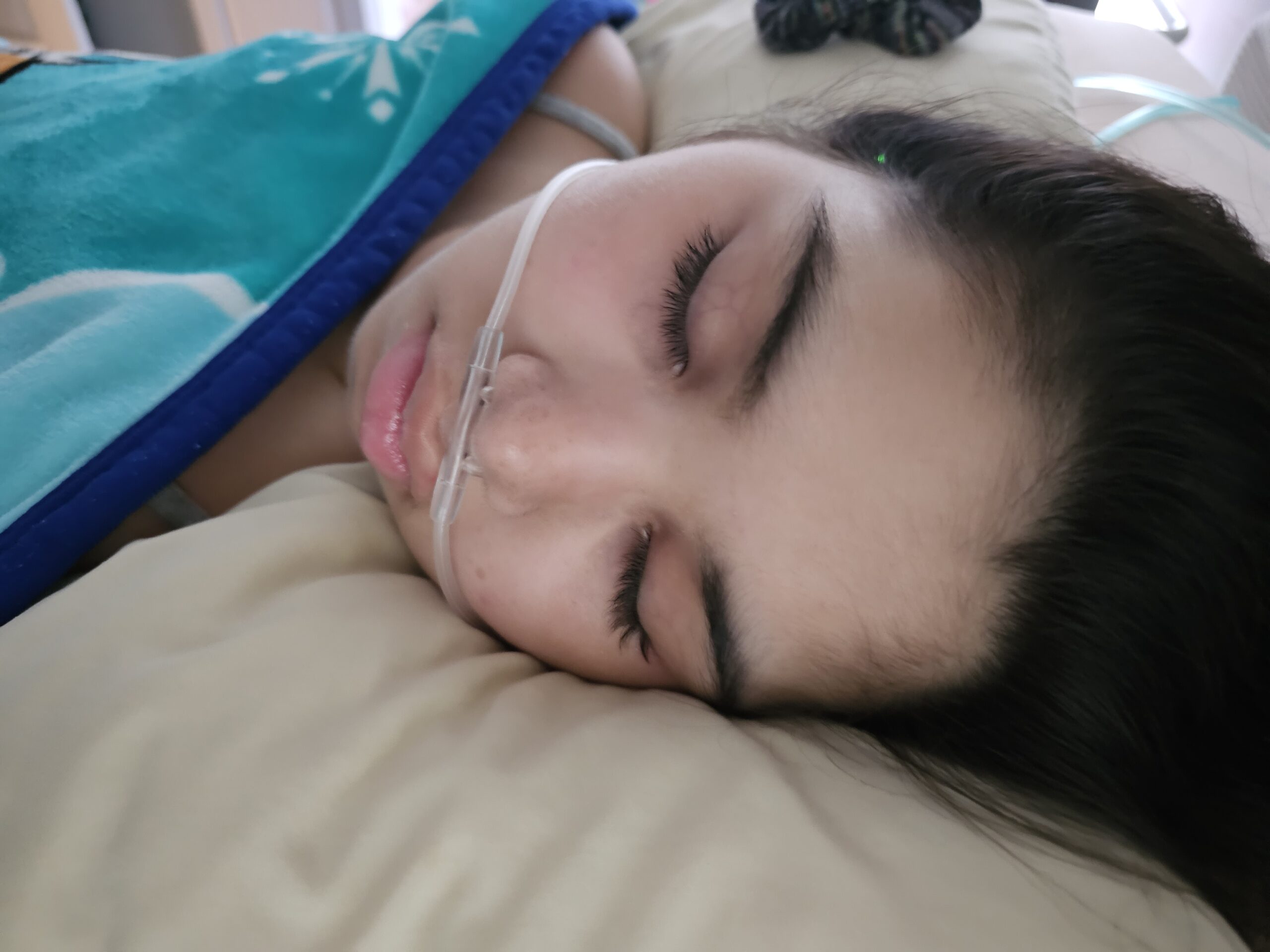
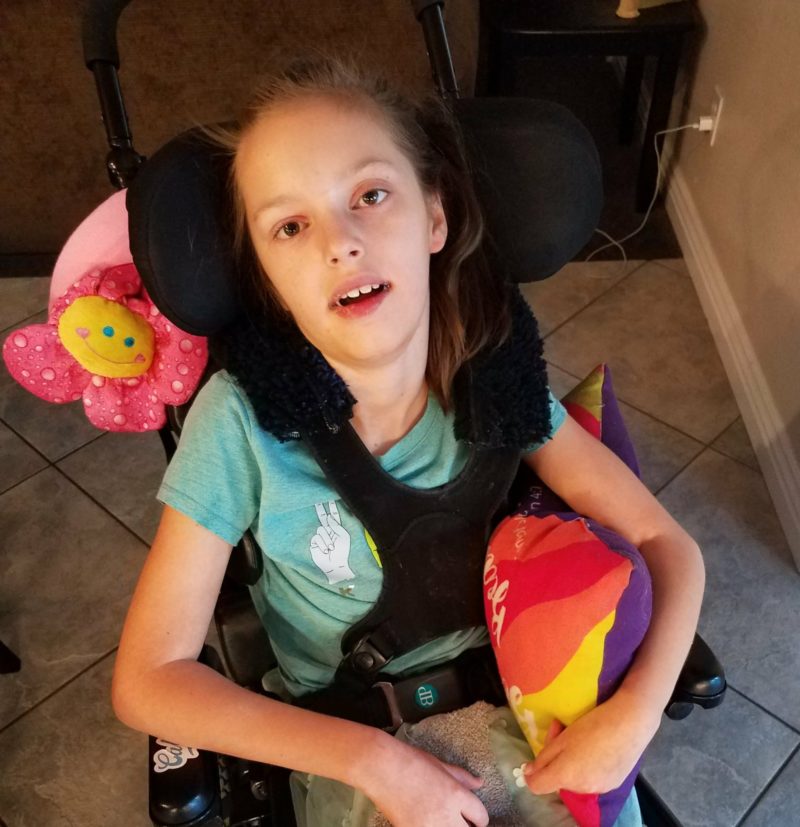
Female, age 2, with seizures, profound global developmental delay, involuntary movements (chorea), and elevated serum pipecolic acid

Date of Report

Mar 29, 2019

Description

When she was an infant, the participant was noticed to have low muscle tone (generalized hypotonia) and global developmental delay. Over time she began to develop involuntary movements (chorea), which progressed to seizures, first infantile spasms then generalized tonic seizures. Currently, these generalized tonic seizures occur every day, up to 60 times per day. These seizures have not been successfully controlled with typical treatments.

Symptoms / Signs
  • Profound global developmental delay
  • Elevated serum pipecolic acid
  • Seizures (infantile spasms, generalized tonic seizures)
  • Abnormal brain activity (EEG with continuous slow activity, multifocal epileptiform discharges)
  • Epileptic encephalopathy
  • Low muscle tone (generalized hypotonia)
  • Involuntary movements (chorea)
Previously Considered Diagnoses
  • Angelman syndrome
  • Metabolic condition
  • Microdeletion/duplication syndrome
  • Myotonic dystrophy
  • Peroxisomal disorder
  • Prader Willi syndrome
Genetic Variants of Interest

Clinicians and researchers are investigating the following genetic changes to see if they are causing the participant’s symptoms:

Gene Inheritance Position (hg19) Transcript DNA Change Protein
ZBTB47 Autosomal dominant chr3:g.42705885A>G NM_145166.3 c.2039A>G p.Glu680Gly
ZSCAN18 Autosomal dominant chr19:g.58601451C>T NM_023926.4 c.184G>A p.Gly62Arg
Contact

If this participant sounds like you or someone you know, please contact us!

Disclaimer

The information provided here is based on individual patient experiences. This information is not meant to substitute for advice of a qualified health care provider. Please do not use this information to diagnose or develop a treatment plan for a health problem or disease without consulting a qualified health care provider.

Images and other content displayed on this site may not be reproduced or reused without permission from the UDN.

Any mention of products or services is not meant as a recommendation of the products or services. Please discuss any options with a qualified health care provider.

Developments in medical research may impact the information that appears here. No assurance can be given that the information in this site will include the most recent findings or developments.

The use of any information provided on this site is solely at your own risk.

Top