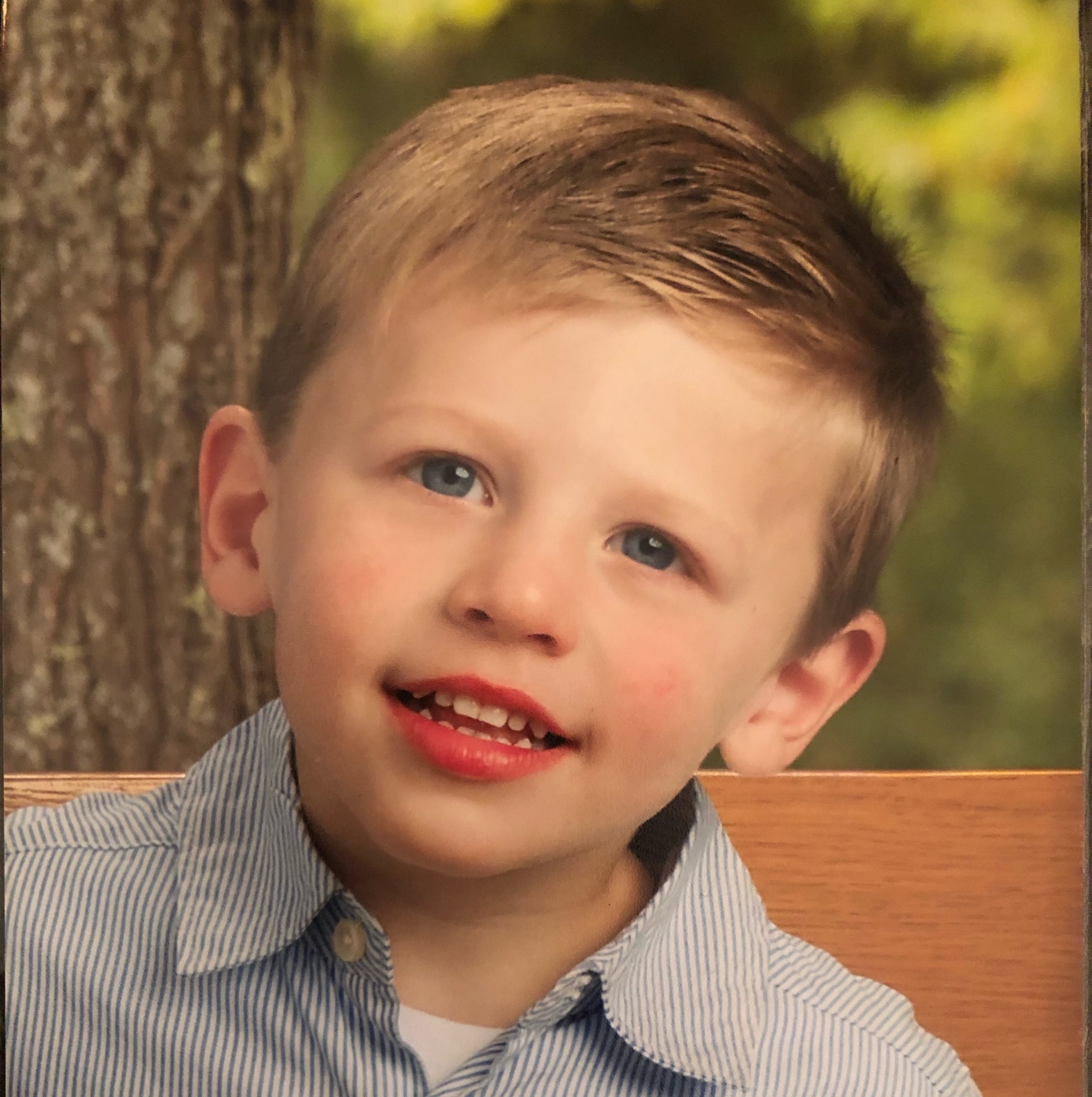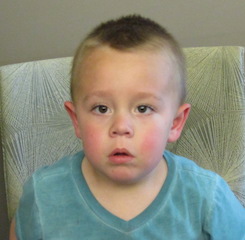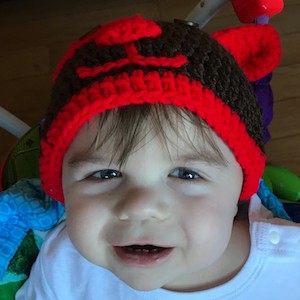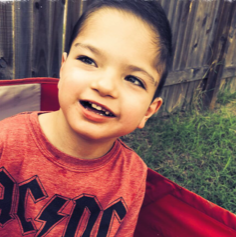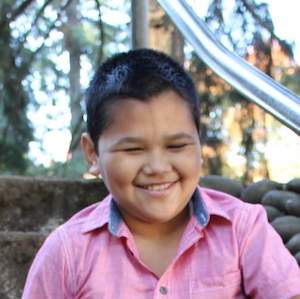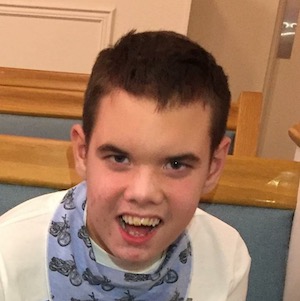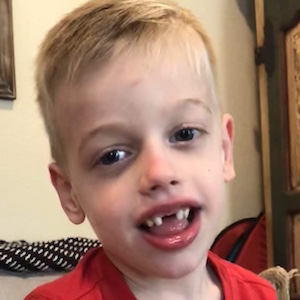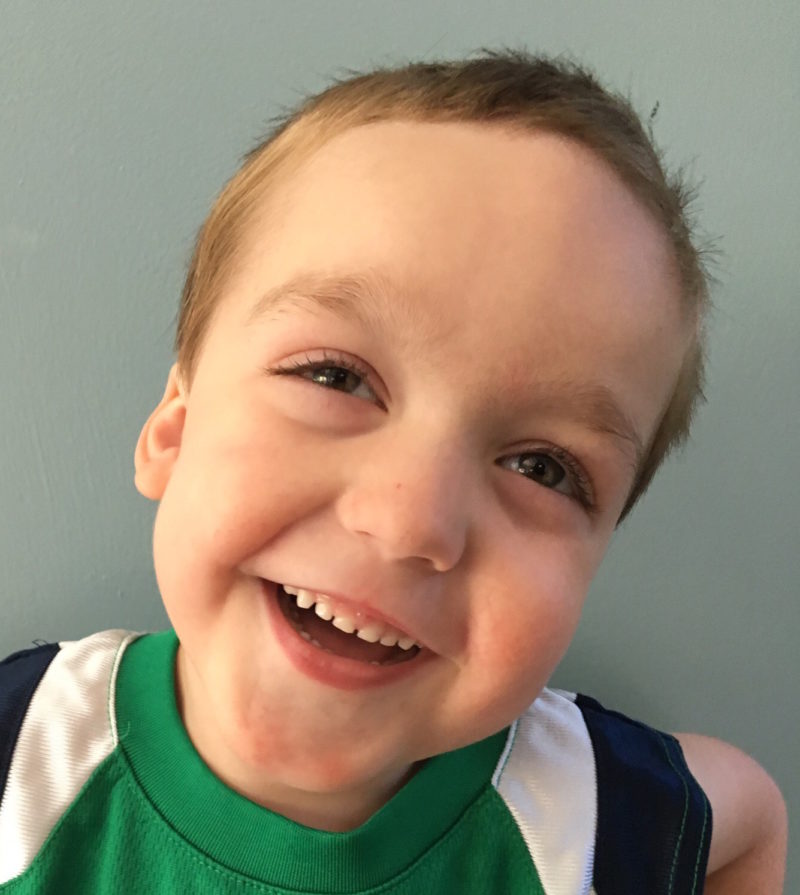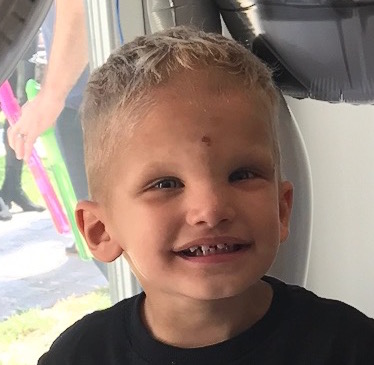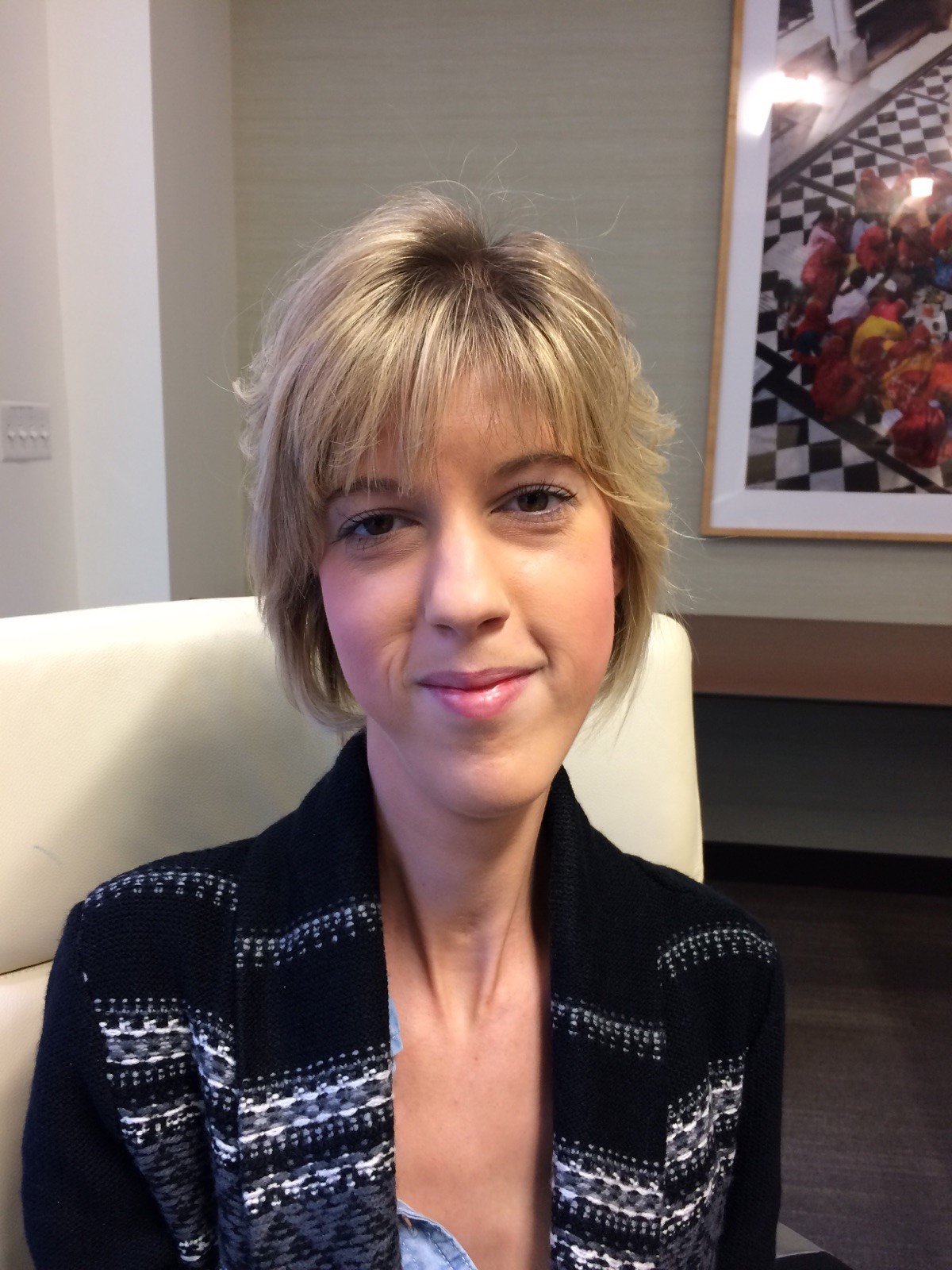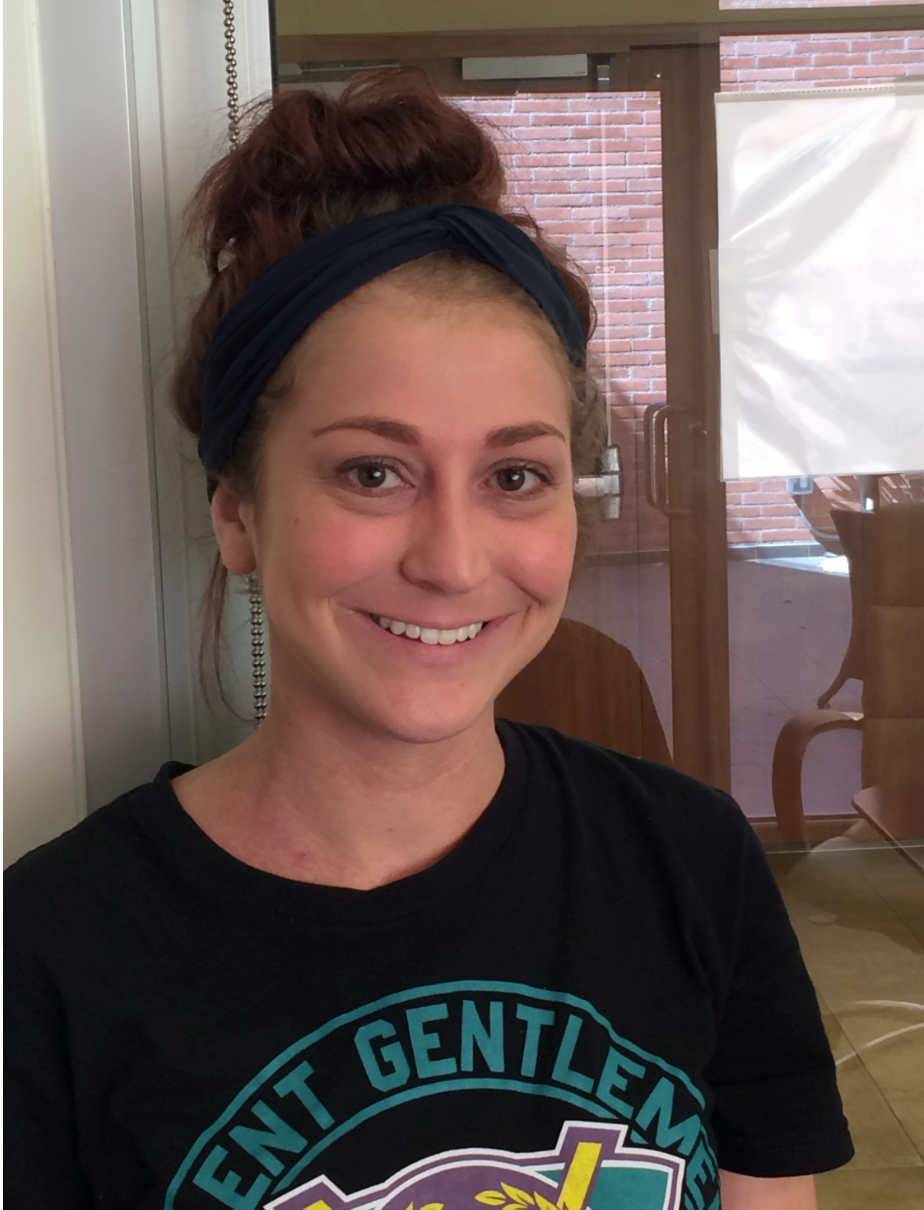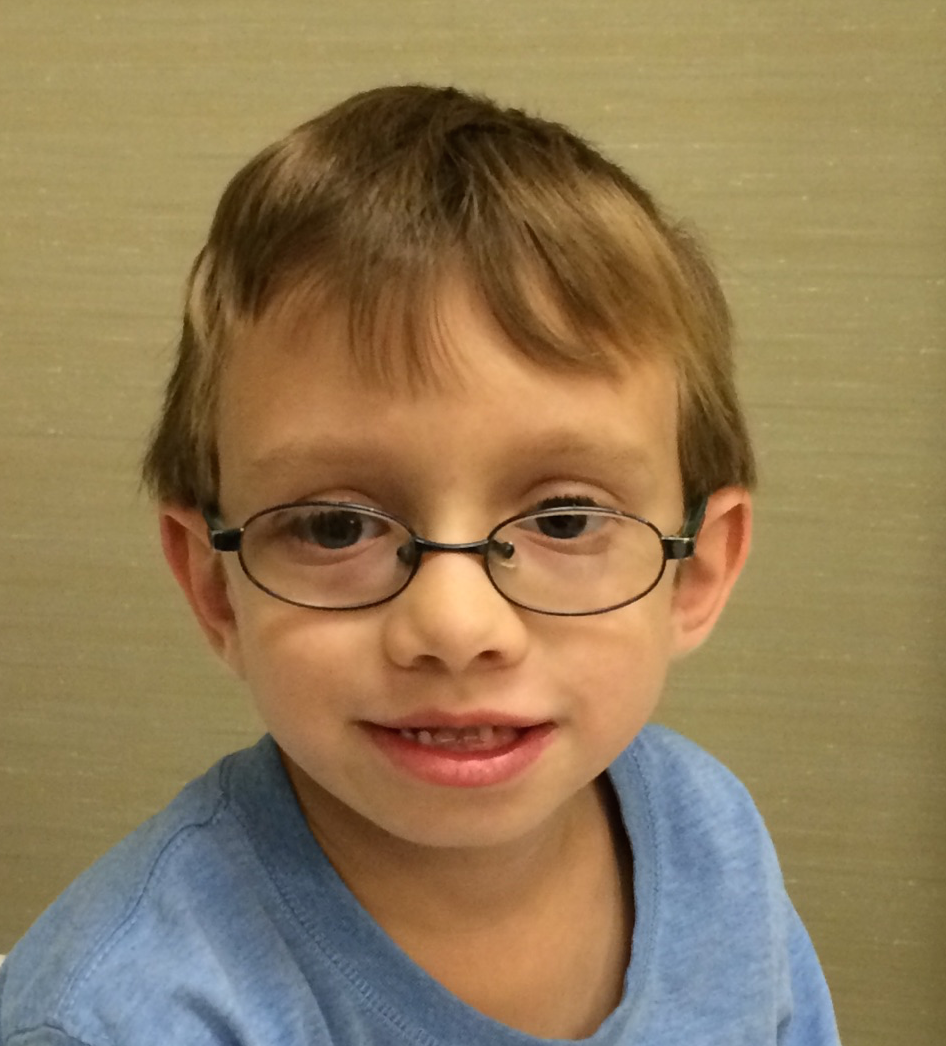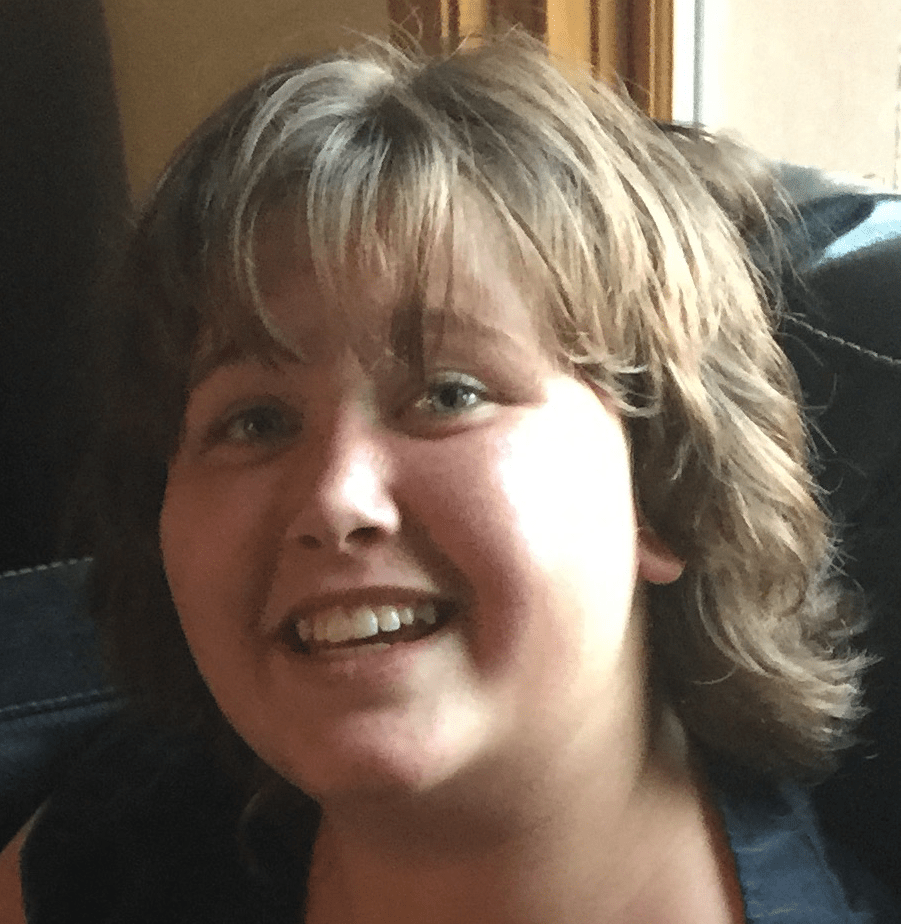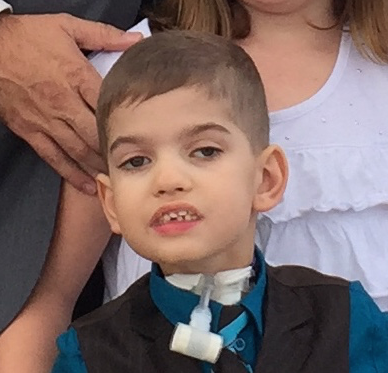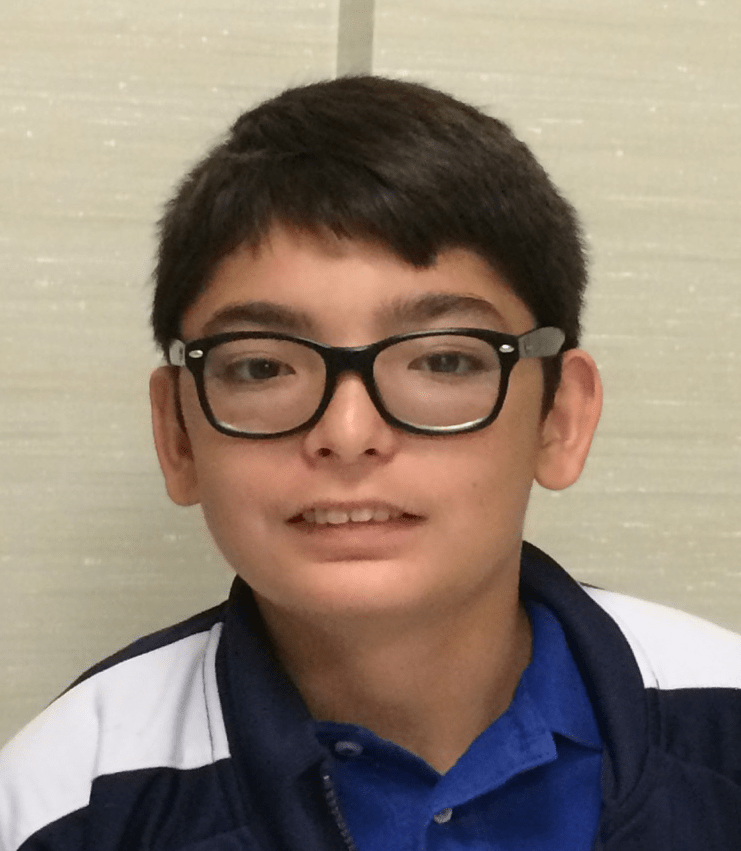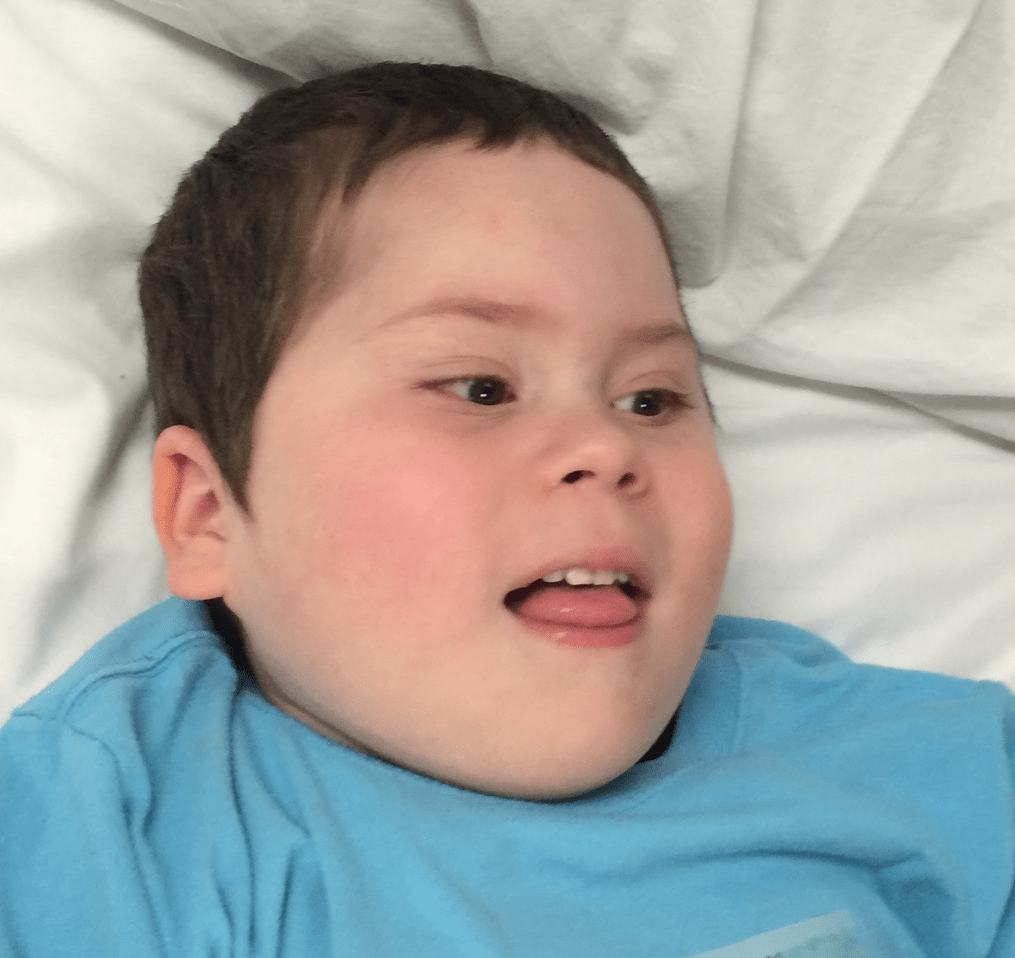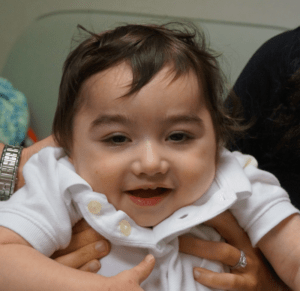


Male, age 4 with heart defects and a history of failure to thrive thought to be caused by a change in the PRDM16 gene
Oct 10, 2025
The participant was born at 39 weeks following a pregnancy complicated by severe nausea and vomiting (hyperemesis gravidarum). At birth, he made different breathing sounds, and his feet were flexed upwards, but no significant complications occurred while he was at the hospital.
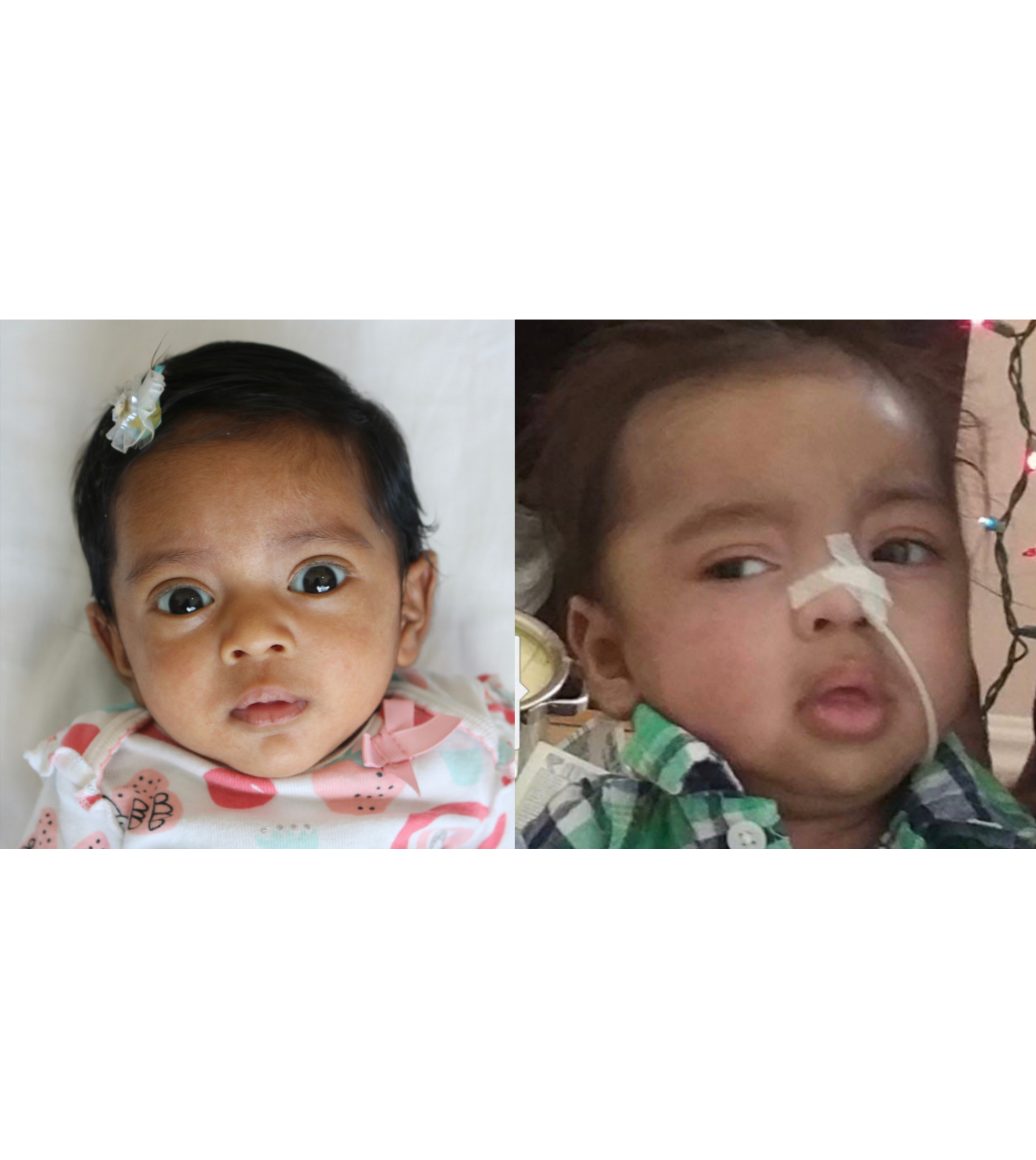
Once he came home, he had feeding issues and was slow to gain weight. Just before he was 3 months old, he started refusing feedings and saw a GI doctor. Following this appointment, he was admitted to the hospital for failure to thrive. During this hospital stay, a swallow study showed silent aspiration and fluid caught in pockets of his throat. A feeding tube was placed, and an echocardiogram revealed a small heart defect (mild atrial septal defect) and enlarged aortic root (moderately dilated aortic root). Other testing (brain MRI, chromosomal microarray, bronchoscopy, laryngoscopy) was normal. The participant’s weight improved with thickened feeds.
After discharge from the hospital, a MRI revealed an abnormal curvature or winding of the major blood vessels in the participant’s neck (carotid artery tortuosity) and another echocardiogram showed an additional heart defect (bicuspid aortic valve). The participant was also diagnosed with acid reflux (gastroesophageal reflux).
When the participant was evaluated in the UDN at 22 months of age, his parents did not report any cardiac concerns. He was doing well with progression from a feeding standpoint. His cardiovascular examination was normal. His bicuspid aortic valve continued to function well. He had no evidence of other heart-related findings (cardiomyopathy or ventricular non-compaction) on his echocardiogram at the visit.
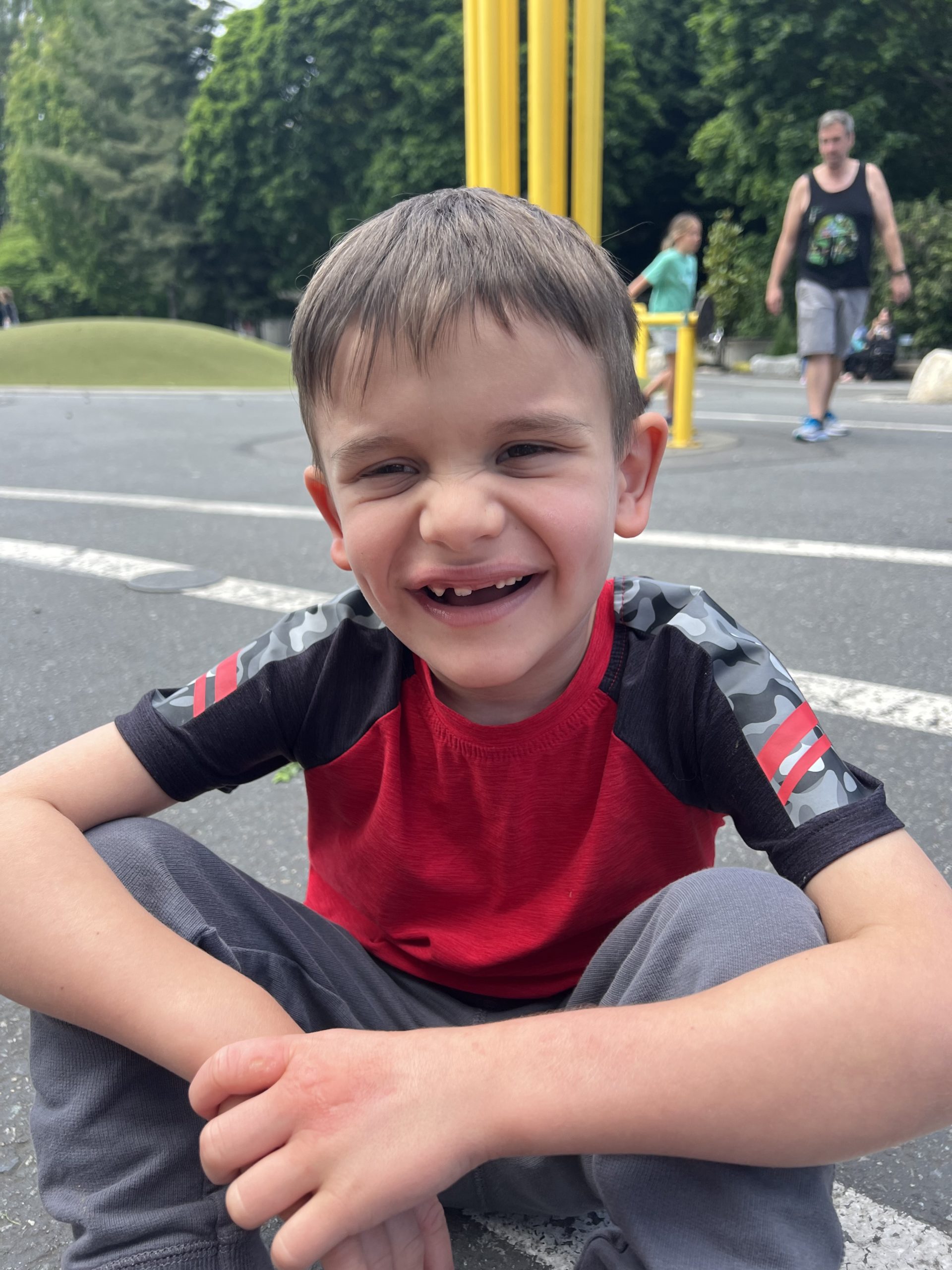
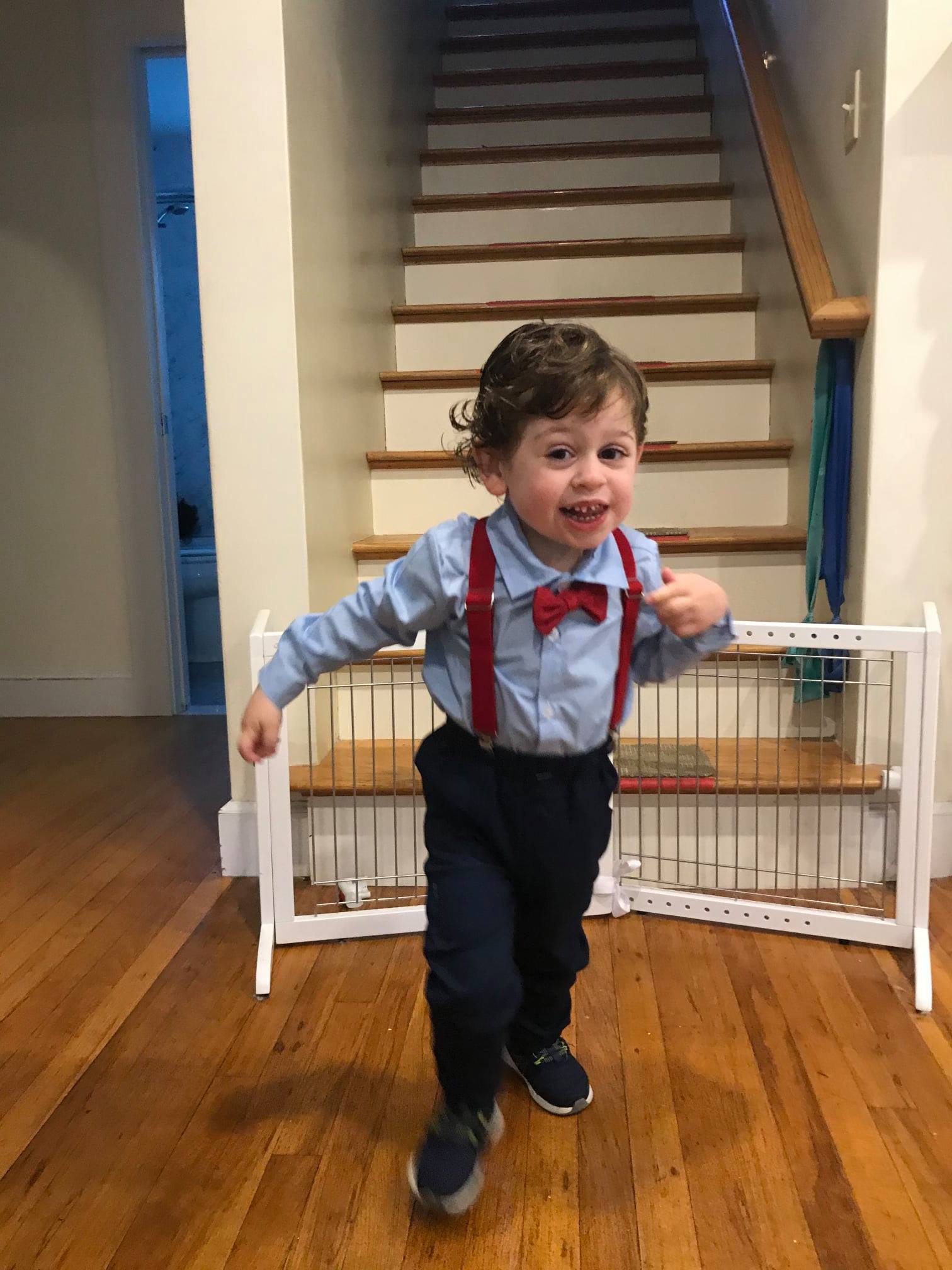
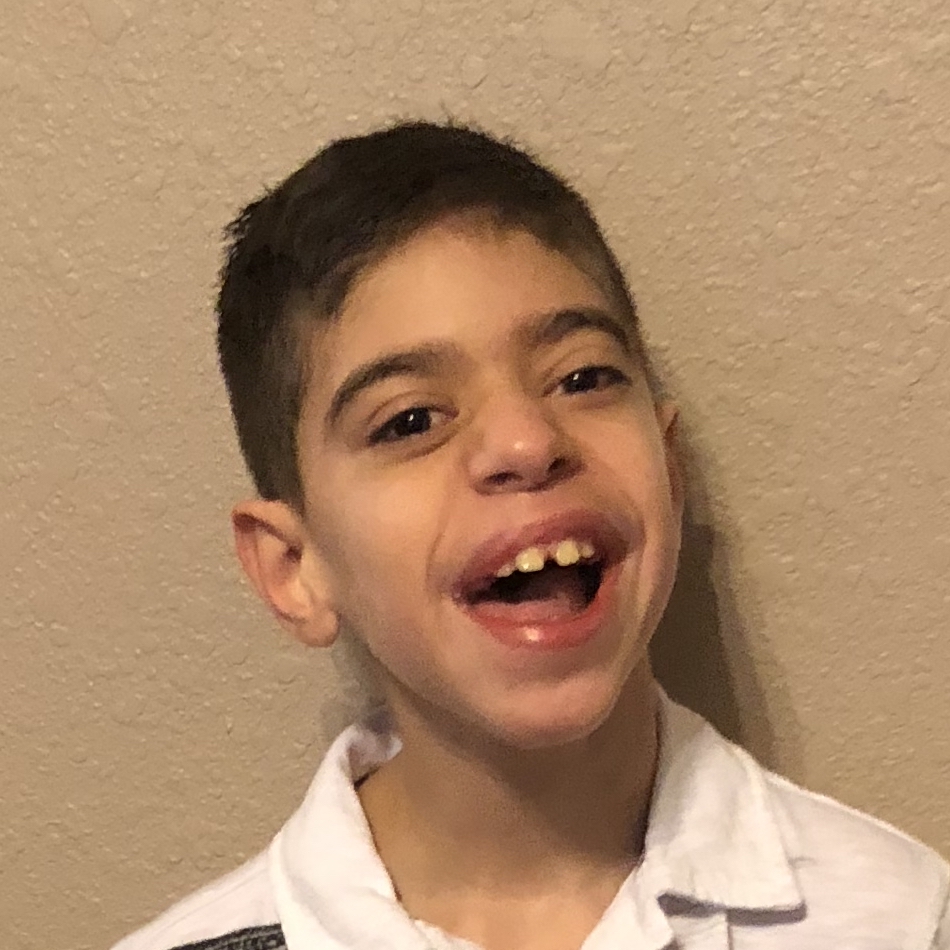
The participant is currently 4 years old and is a very lively and talkative child.
Clinicians and researchers have identified the following de novo genetic change believed to be causing the participant’s symptoms.
If this participant sounds like you or someone you know, please contact us!